Highlights
- The world now has Article 6 texts but still lacks a functioning Article 6 system. Belém exposed the gap between rules on paper and institutions capable of applying them.
- Early Technical Expert Review revealed fundamental inconsistencies in accounting and reporting, raising questions about readiness for cooperative approaches.
- The divide between “integrity first” and “access first” countries widened, putting the identity of the mechanism under pressure.
- Nature based solutions remain the unresolved fault line, with permanence requirements threatening to exclude the sectors most important for developing countries.
- Transparency remains weak, especially within technical bodies whose decisions shape the entire system.
- Capacity gaps across the Global South risk turning Article 6 into a market for the prepared rather than a cooperative framework for all.
- Financing remains the mechanism’s Achilles heel, with temporary CDM transfers unable to support long-term operations.
- COP31 must move Article 6 from slow maintenance to real implementation, delivering clarity on nature, finance, capacity, transparency, and the alignment of 6.2 and 6.4.
- The core question now is whether every country can truly see themselves in this mechanism. Without that, Article 6 will not scale
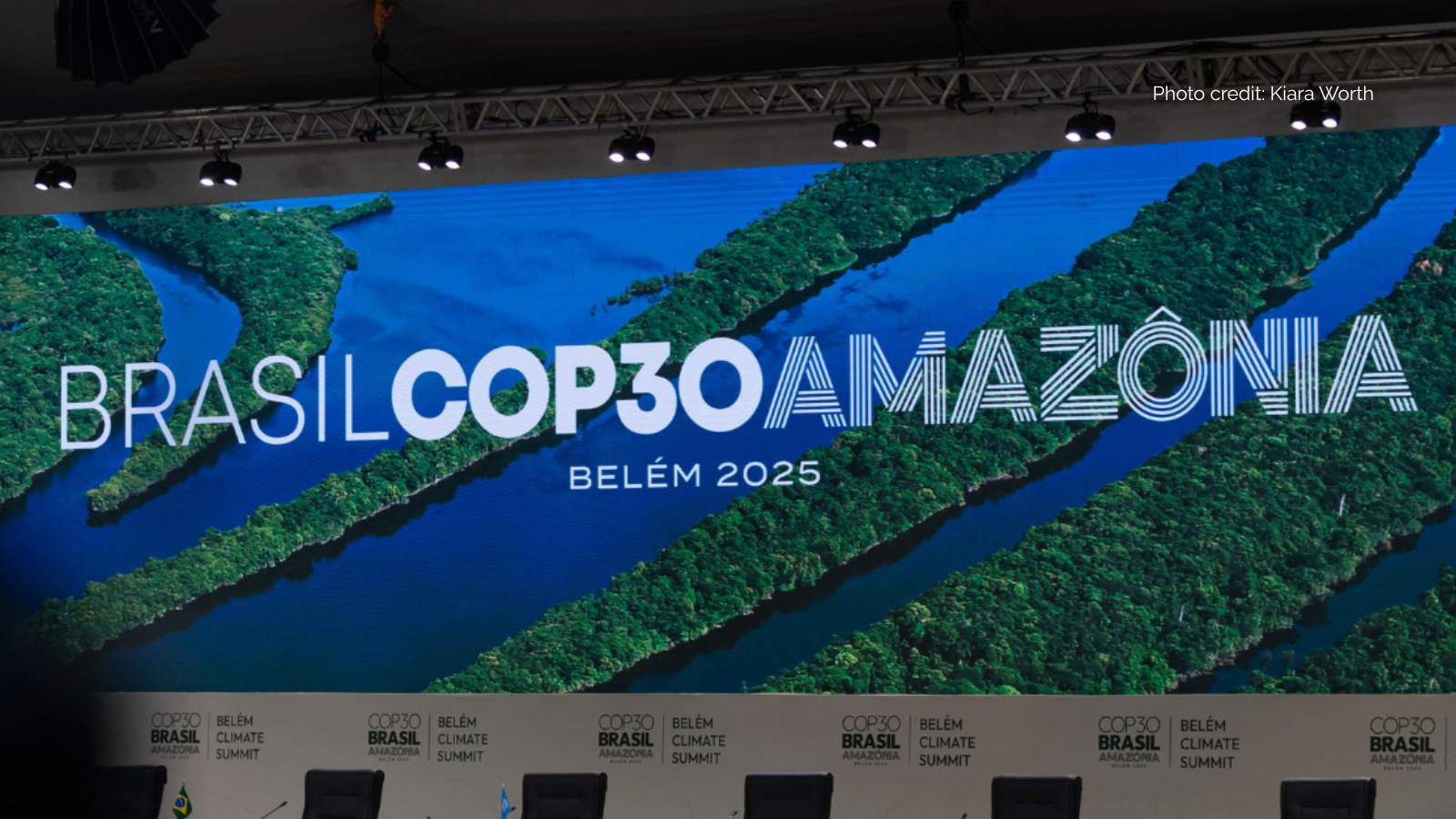
As COP30 came to a close, I keep circling back to the same thought. Article 6 did not collapse, but it did not quite take off either. It sits at an uneasy midpoint between technical readiness and political hesitation. The rulebook has been patched, the decisions have been adopted, and countries congratulated each other for “landing” the package. Yet no one I spoke to believes the hard work is behind us. COP30 clarified the next chapter: Article 6 is entering a make-or-break implementation phase, and the window for getting it right is narrowing.
This reflection sets out 6 (six) areas where COP30 revealed the limits of the current Article 6 architecture and the work that must be done before COP31 in Turkey can deliver an operational system rather than another year of repair work
1. Article 6 has moved from negotiating rooms to operating tables
For years, Parties were busy writing rules. Now they are discovering the cost and complexity of applying them. The adoption of Article 6.2 and 6.4 texts was necessary, but no one in the halls of Hangar da Amazônia walked away believing the system is ready to function at scale.
The first Article 6.2 Technical Expert Reviews laid the issue bare. Inconsistencies were not edge cases. They appeared across government structures, across reporting practices, and across basic interpretations of corresponding adjustments. That alone should prompt caution. The first round of initial reports revealed wide variation in how countries defined mitigation outcomes, structured vintages, and sequenced authorizations. Review teams flagged this not as a formatting problem but as a structural risk that could undermine trust in early trades.
On the 6.4 side, the Supervisory Body now has standards, one approved methodology, and a technical package that looks tidy on paper. Yet a functioning mechanism cannot run on tidy outlines. It requires capacity, governance strength, stable financing, and political alignment. All four remain fragile.
The world now has Article 6 rules without an Article 6 system. That gap is what Turkey must confront.
2. Market integrity and market access are no longer complementary goals; they are competing priorities
Belém exposed a widening divide.
One camp insisted on regulatory stability and a cautious approach. Keep the standards intact. Avoid reopening adopted rules. Protect environmental integrity. Let methodologies address case by case issues. This view shaped many Global North interventions.
The other camp pushed back. For them, the current rules, especially permanence and baselines under 6.4, risk locking out sectors vital for mitigation and development. Nature based solutions, already under pressure in the voluntary market, face additional hurdles under Article 6.4. Several developing countries asked whether a mechanism that excludes their most viable mitigation options can ever be considered “high integrity.”
These are not cosmetic disagreements. They reveal a fundamental question about Article 6’s identity, one that COP31 cannot avoid: Is it a market that minimizes risk or a market that maximizes participation?
The goal is not to collapse into one camp. It is to build a system where integrity and access reinforce each other instead of competing for dominance.
3. Nature based solutions remain Article 6’s blind spot
Nature based solutions dominated corridor conversations more than any line of text. The permanence standard may be scientifically defensible, but it is politically unsustainable if its effect is to exclude the very countries most reliant on forest and land sector mitigation.
Belém showed us that the divide over nature is no longer a technical argument. It has become a trust issue. Many developing countries fear a market built without them. If the only “bankable” options under 6.4 are industrial methane or renewable energy retrofits, then Article 6 risks sliding into irrelevance for much of the Global South.
A credible global mechanism cannot avoid forests because they are complex. It cannot promise climate justice while sidelining the mitigation options of the most vulnerable. And it cannot ignore the political reality that nature finance is a lifeline for many regions.
Turkey must deliver a workable permanence pathway that respects science without creating a two-tier market
4. Transparency is still the weakest pillar of the system
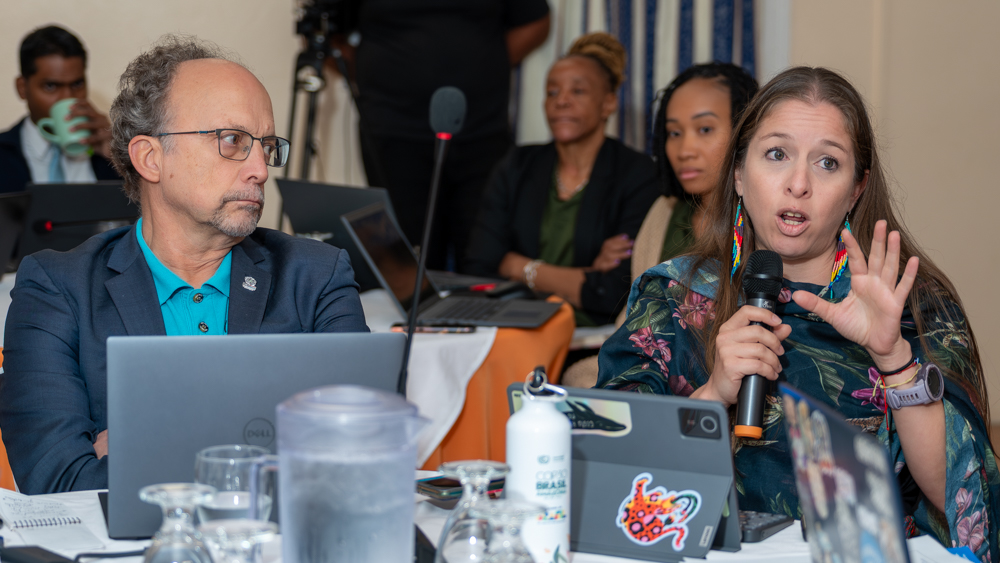
One of the most troubling outcomes of COP30 was the continued practice of closed-door technical deliberations for the Methodology Expert Panel. Countries call it efficiency. Observers call it opacity. Most developing countries call it exclusion.
If transparency is treated as optional at the technical level, mistrust will follow at the political level. Article 6 cannot become a confidential process where methodologies surface months later with little explanation. Several delegations again asked for published rationales behind methodological decisions, something still missing from the process. Without this, many countries feel they are navigating a system where the rules evolve faster than their ability to track them. The credibility of the mechanism depends on sunlight, not selective access.
Turkey must shift Article 6 decisively into a culture where transparency is the default, not a concession. We need open sessions, accessible rationales behind decisions, and clear documentation that Parties and observers can follow. Without that, trust will erode faster than the mechanism can mature.
5. Capacity building is still treated as an accessory rather than a foundation
One of the most honest interventions I heard in Belém came from a small island state representative who said: “We cannot participate in an architecture that assumes we already have institutions we do not yet have.”
That is the heart of the problem. Digital registries, authorization processes, MRV systems, policy alignment, and legal frameworks require technical depth many countries simply do not have. Only a limited number of countries currently operate digital registries capable of supporting Article 6 transfers, and several regions have no domestic infrastructure at all. This is not a gap that can be bridged through short workshops or light technical assistance.
The risk is clear. Article 6 becomes a high-integrity system for a narrow group of capable actors, while the rest of the world watches from the margins. That is not a cooperative approach. It is a fragmented one dressed in cooperative language
Turkey must deliver a step-change in Article 6 readiness support. If cooperative approaches are to be credible, capacity building must be scaled to the level of the ambition. Otherwise, Article 6 will mirror the inequities we see across the wider climate regime: high ambition on paper, limited opportunity in practice.
6. Finance will determine whether Article 6 functions at all
This was one of the clearest signals from Belém The financial situation of Article 6.4 was no longer a debate. It was a warning. The Supervisory Body is underfunded. The registry infrastructure is behind schedule. The pipeline cannot grow if the mechanism itself is running on fumes. The temporary transfer of USD 26.8 million from the CDM provides breathing room but not a durable future.
Current estimates for operating the centralized registry, expanding the methodology pipeline, and staffing the review teams already surpass available funding. A mechanism meant to mobilize global carbon finance cannot be kept alive through year-to-year patchwork contributions, or else these functions will continue to stall.
Turkey will need to address this head on. No amount of political optimism can substitute for operational financing.
What COP31 must deliver
Turkey will sit at the intersection of political trust and technical realism. Article 6 cannot afford another year of maintenance mode. COP31 must be a turning point.
Here is what needs to happen:
• Build a credible, inclusive path for nature – A mechanism that sidelines land sector mitigation is neither equitable nor realistic.
• Rebalance integrity and access – Guardrails matter, but so does usability. The rules need to work for those who will generate mitigation outcomes, not only those who will purchase them.
• Unlock real capacity and finance – Support for developing countries must match the technical complexity of the system. Small gestures will not cut it.
• Bring transparency to the technical process – Markets without trust cannot scale. The Article 6 architecture must be open, inclusive, and understood.
• Strengthen linkage between 6.2 and 6.4 – These tracks cannot evolve in isolation. We are already seeing bilateral trades under 6.2 that overlap with sectors expected to seek approval under 6.4. Without alignment, countries risk running two parallel systems that confuse investors and weaken environmental integrity.
COP30 showed us what happens when ambition meets structural gaps. COP31 must show what happens when those gaps are finally addressed.
The Road From Belém to Turkey
As we move toward Turkey, I am struck by the duality of Article 6. It is both the most technical and the most political part of the Paris Agreement. It carries the hopes of those who see markets as a lifeline for climate finance and the fears of those who have experienced fragmented or extractive markets in the past.
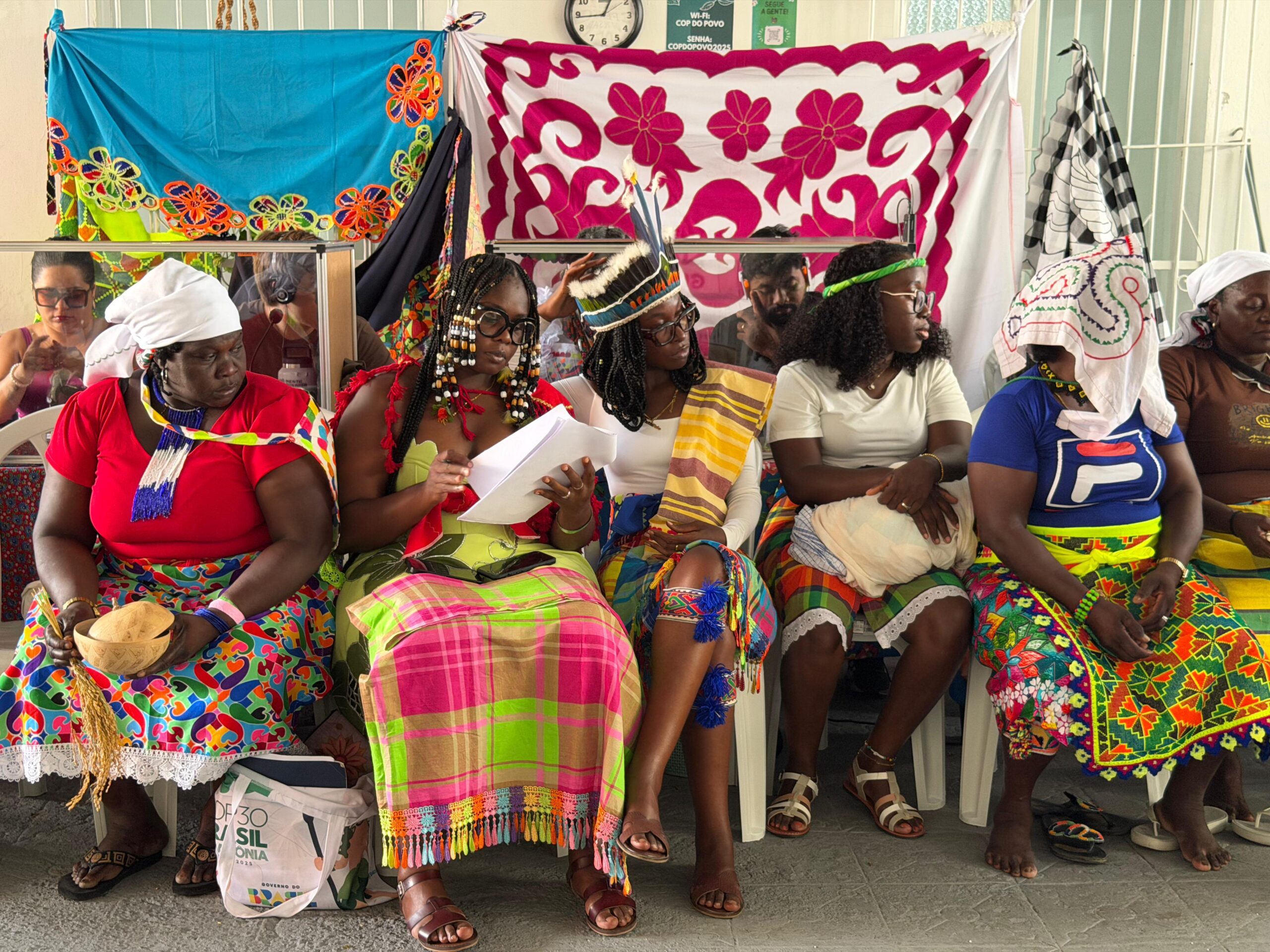
Belém sharpened that tension. We spent two weeks in the heart of the Amazon, negotiating inside a region that is living the climate crisis in real time. And still, even there, surrounded by communities carrying the consequences the rest of the world debates from a distance, we struggled to move further than cautious compromise. I keep returning to one thought:
“If this is the furthest we can get in the heart of the Amazon, surrounded by the urgency the rest of the world talks about from afar, what will it take for the global community to finally act at the pace of those already living the consequences?”
Between the fire alarms, the delays, and the late night drafting rooms, one message kept surfacing: this mechanism will only work if every country can see themselves in it.
Today, only a small cluster of countries have dedicated Article 6 teams able to navigate authorizations, registries, and reporting cycles. That imbalance alone tells us how far the system still has to go. So that is the work ahead. That is the mandate for COP31 in Turkey. And that is the judgment Article 6 will face in 2026: not whether we adopted text, but whether countries can meaningfully participate, generate mitigation outcomes, and benefit in a fair and functional system.
Belém was the warm-up. Turkey will decide whether Article 6 becomes the engine of cooperation it was meant to be, or another missed opportunity in a decade we cannot afford to waste.