Following a convening earlier this month in St Lucia on a global just transition from fossil fuels, the Caribbean is being urged to opt in to the transition. Leaders of Trinidad and Tobago are predicted to be left behind globally if they do not strengthen their presence in the fossil fuel phaseout momentum, particularly with the upcoming international conference in April.
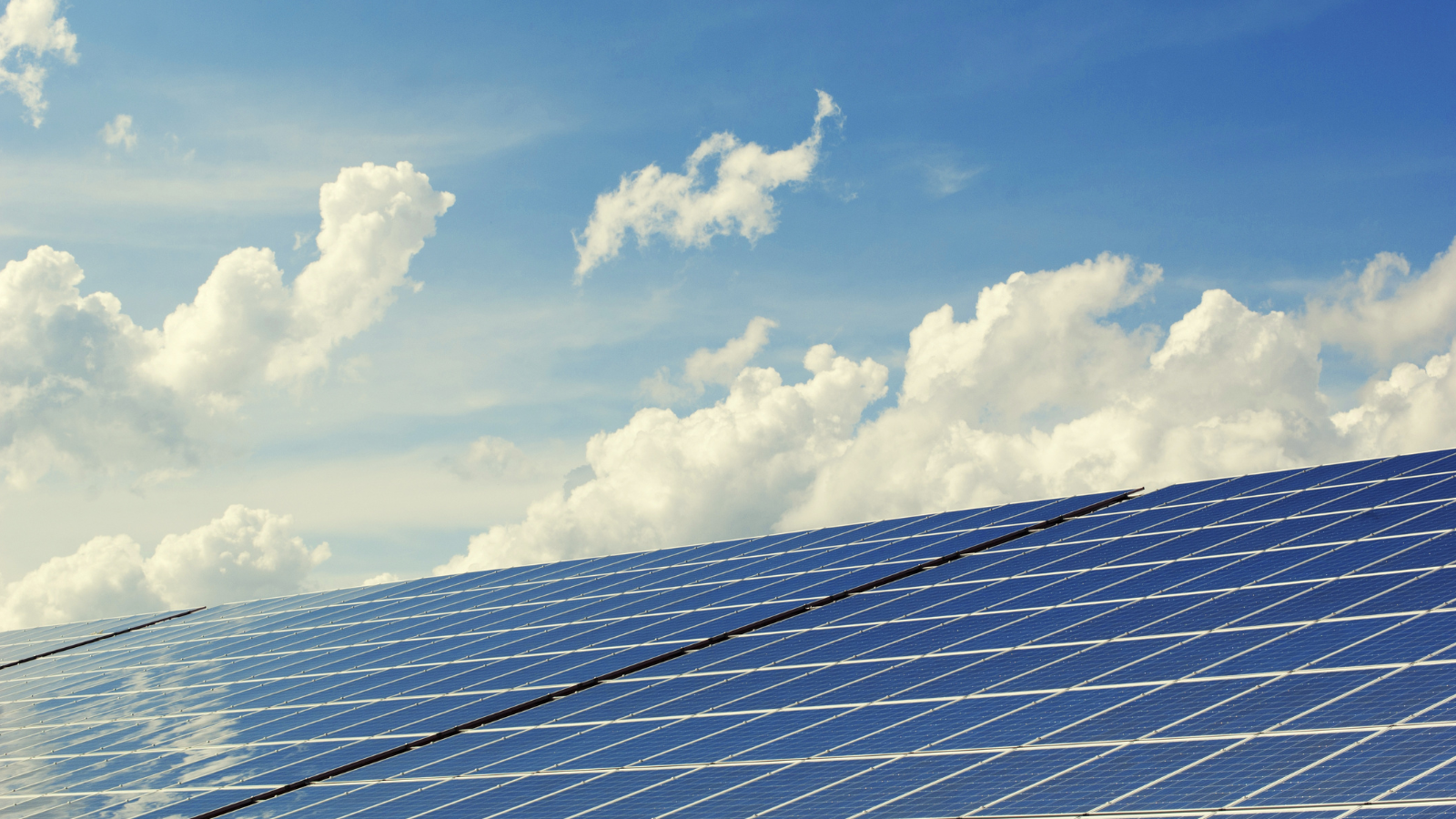
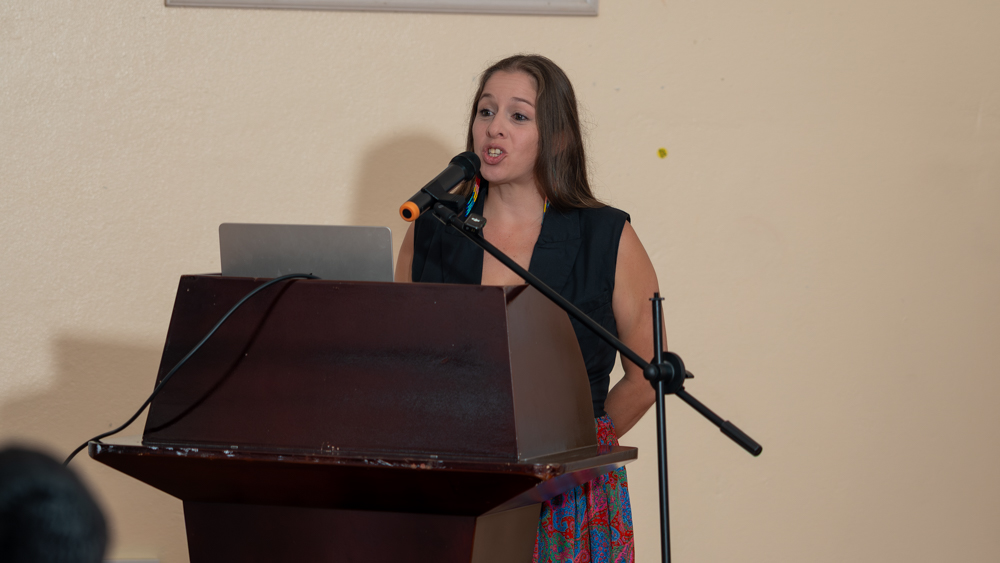
In an interview, Carolina Sanchez, coordinator and spokesperson for the Fossil-Free Wider Caribbean Network, said, “It is important to understand that the technological switch is happening, whether we like it or not. So, whether we make a political decision to go renewable or not, renewables are moving forward.”
Trinidad and Tobago’s role in the regional push
“Trinidad and Tobago has always been key for us in the network and what we do and how we can support your country on developing phased out pathways or routes or roadmaps.” She stressed that if Caribbean countries do not participate and ensure they are included in global fossil fuel phaseout momentum, the region risks being left behind.
Sanchez further explained that this could increase dependence on oil and its associated costs. She highlighted that oil will inevitably become more expensive due to wars and leaders’ political and personal decisions, which could force countries to rely on decisions made elsewhere. “So, not getting on board right now…it’s going to leave us out and behind.”
She added that even if Trinidad and Tobago were to take this initiative forward, there could be pushback from the United States (US).
“And you probably wouldn’t be able to, in my opinion, win against the US. But if the rest of the region is behind Trinidad and Tobago, and it’s also demanding that we get together, then we have a better chance of being able to sustain our sovereignty and independence in that sense.”
Santa Marta conference and roadmap discussions
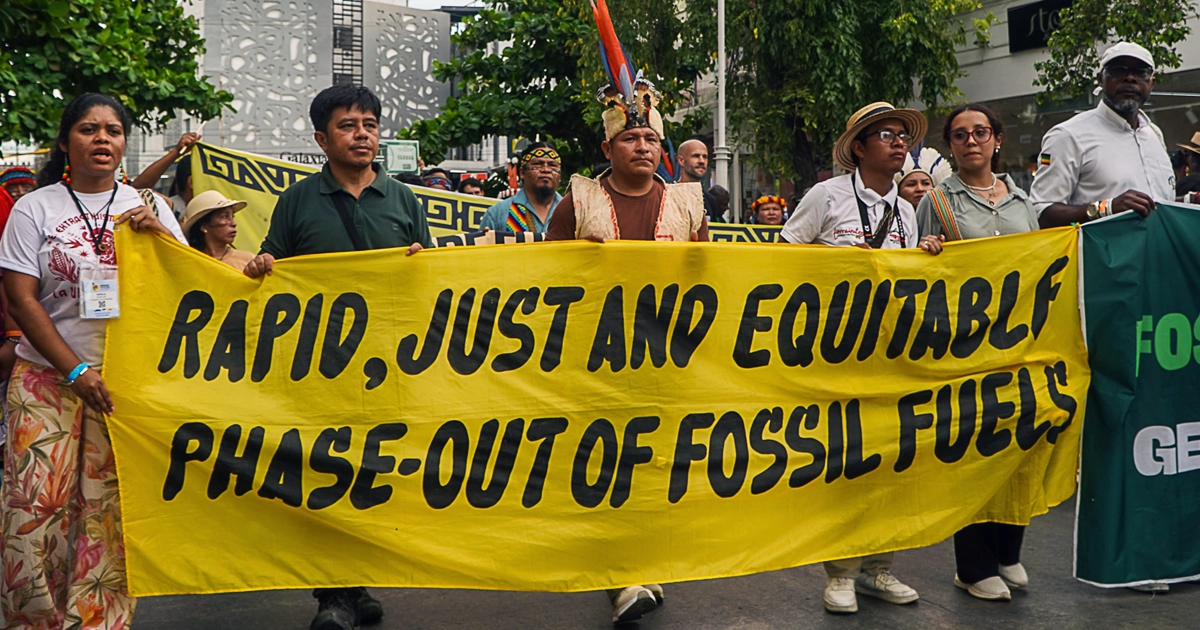
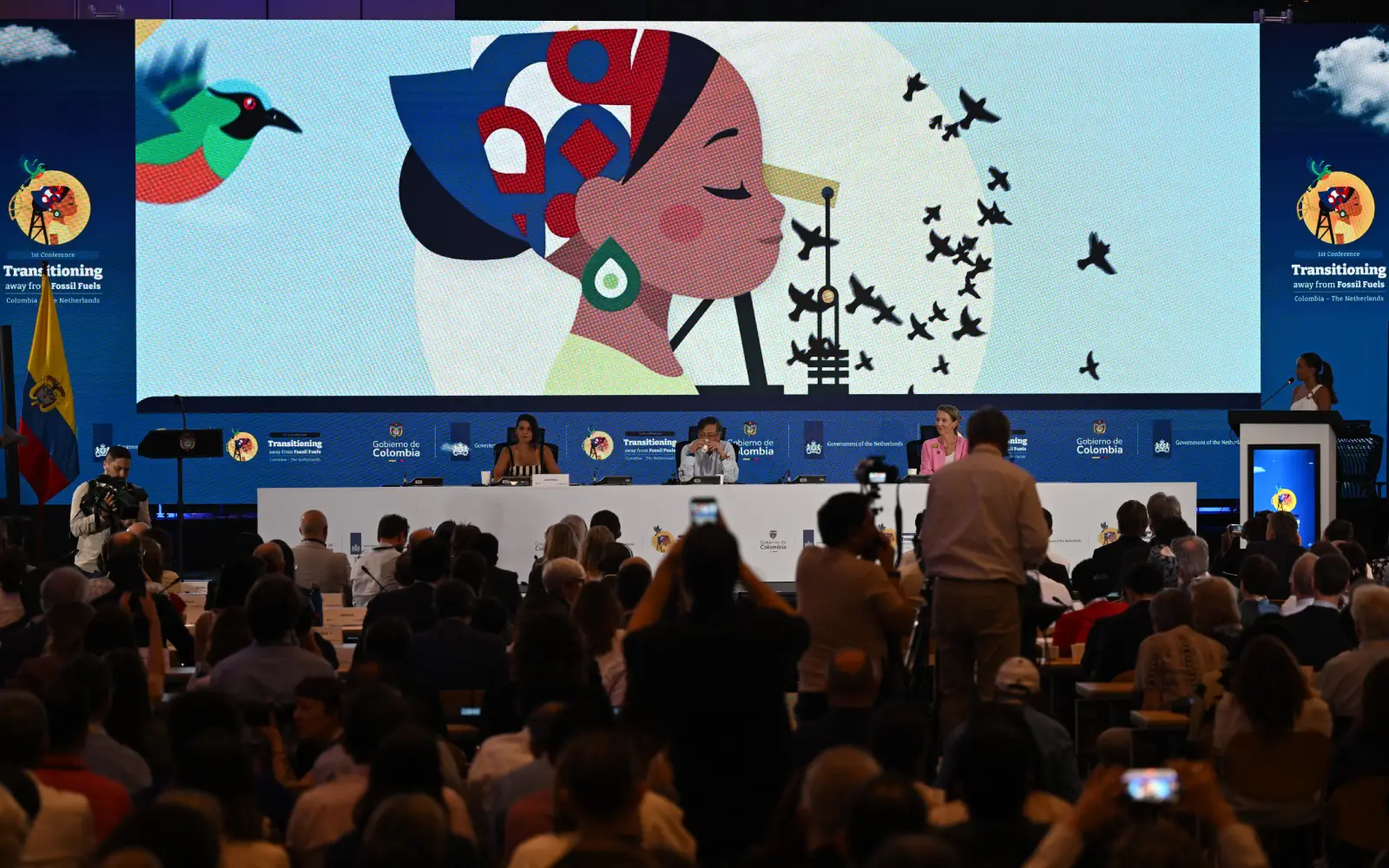
She also noted that the upcoming First Conference on Transitioning Away from Fossil Fuels in Santa Marta is not necessarily like the process of the Paris Agreement, where countries are required to act. Instead, she said the world has yet to complete one of the key steps: defining what a roadmap for a just transition should look like. At the end of COP30, Brazil proposed working on a roadmap toward the next step. “What I see that is going to be really important from Santa Marta is that those countries willing to push the subject more are going to be able to work together,” and aim to demand what that roadmap should look like.
She said many Caribbean countries, including Trinidad and Tobago, have contributed very little to global greenhouse gas emissions but face significant impacts from climate-related disasters. “If we were to talk about Central America and the Caribbean together, we are only responsible for 1%.”
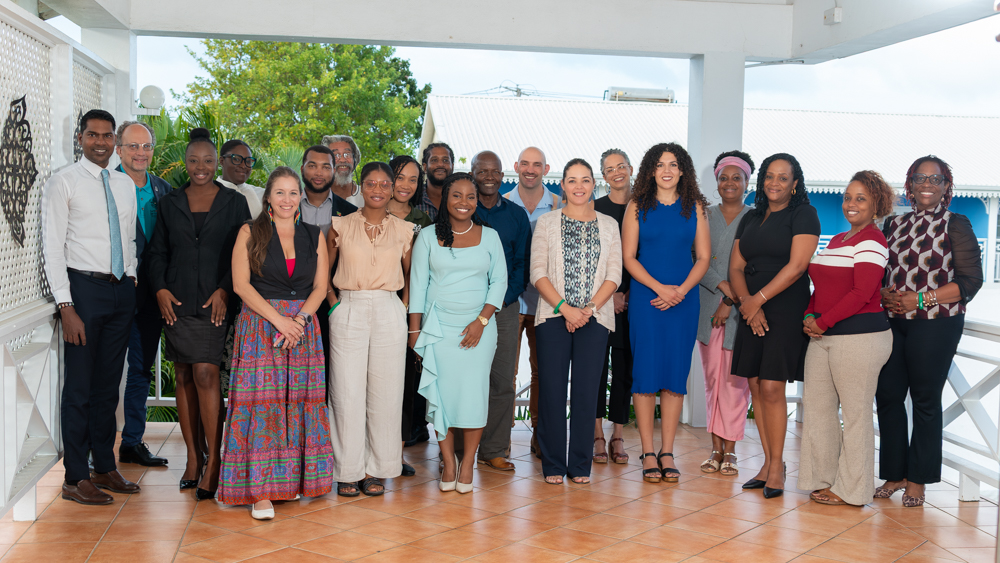
A wider Caribbean movement
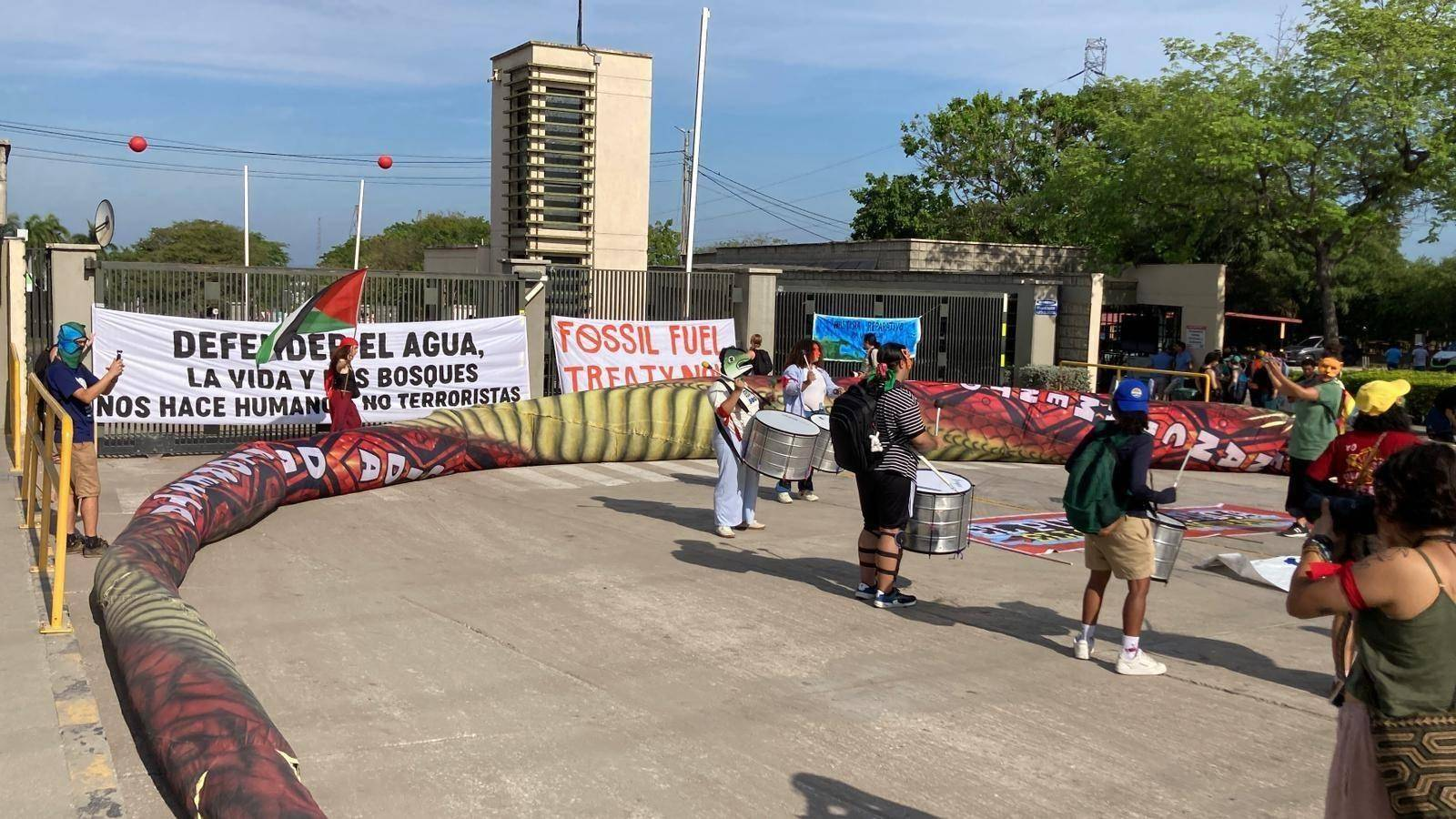
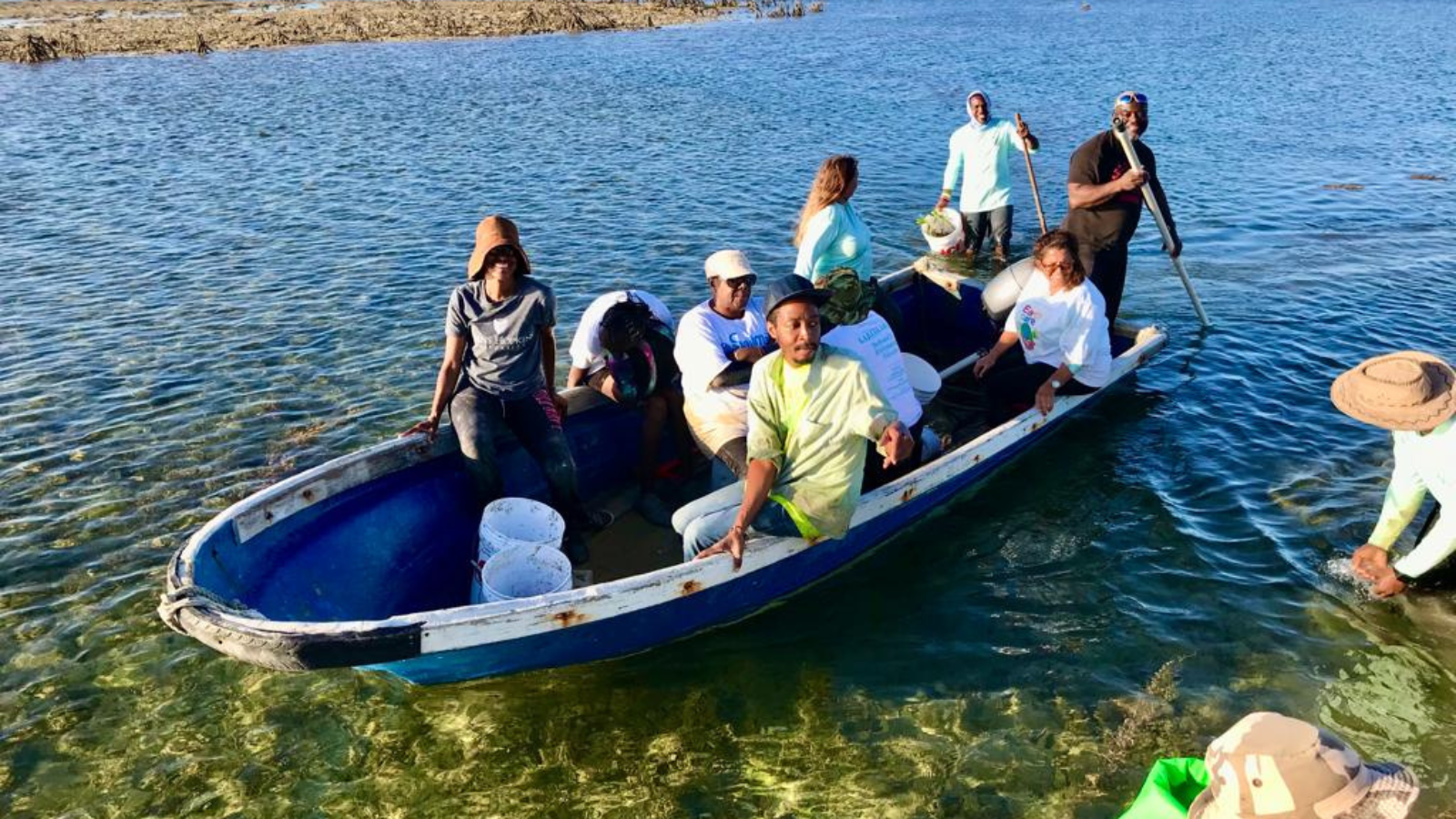
The Fossil-Free Wider Caribbean Network has been fighting against the expansion of fossil fuels for four years. “We are called ‘wider Caribbean’ because the whole point is to join voices for the wider Caribbean.” Sanchez, who was born and resides in Costa Rica, emphasised how important it is for small island developing states (SIDS) to come together and speak with one voice. “…because we are protecting the same interconnected ecosystem and because we should not just be part of what the other big countries talk about because our context is different.”
She also pointed out that each country faces its own challenges. “In some cases, they’re fighting against new exploration. Most are fighting against new offshore exploration in the Caribbean Sea, which is the push we are all having. But some are also fighting against the introduction of fossil gas in their countries…If we get together, we will have a stronger voice and stronger capacities.”
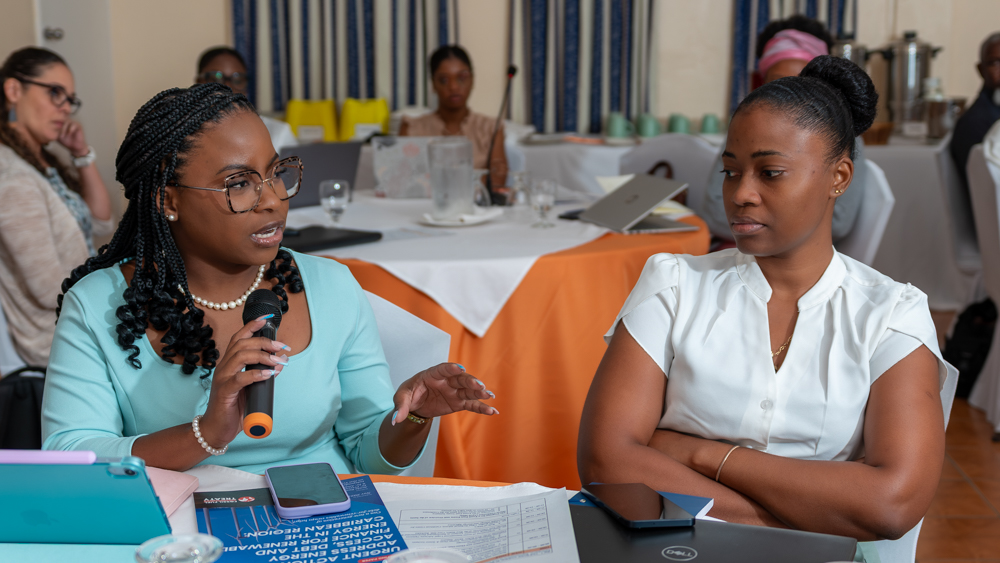
Transition driven by economics, not just politics
Sanchez reemphasised that she believes it is a shame that governments and leaders opt out of the current fossil fuel phaseout momentum, particularly around this conference. She reiterated that the technological switch is already underway. “So, whether we make a political decision to go renewable or not, renewables are moving forward because this is economically viable.”
She further stated that where investment flows are not a political choice. “It is important to understand that the transition is going to happen.” She added that the shift is being driven not only by environmental concerns but also by economics, and called on leaders of Trinidad and Tobago to include their people in the initiative. “It’s no longer what I personally think and whether my values say I believe in it or not. It’s not dependent on values or morals or ideas.”