At global climate conferences like the United Nations Framework Convention on Climate Change’s Conference of the Parties (UNFCCC COP), world leaders gather to discuss solutions to the climate crisis. On paper, these spaces represent collaboration, ambition, and progress.
But for many Indigenous and tribal communities, they also reveal a deeper contradiction.
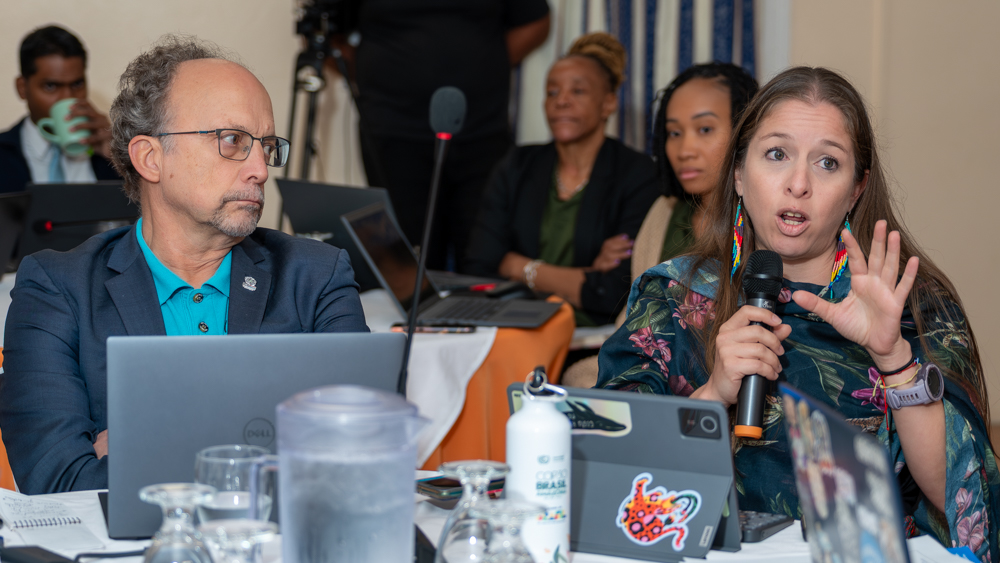
For Samunda Jabini, a project manager with the Association of Saamaka Communities, the experience highlights a persistent disconnect between Western climate diplomacy and the lived realities of Indigenous environmental stewardship.
One of the most visible symbols of this divide is the idea of “formal” space.
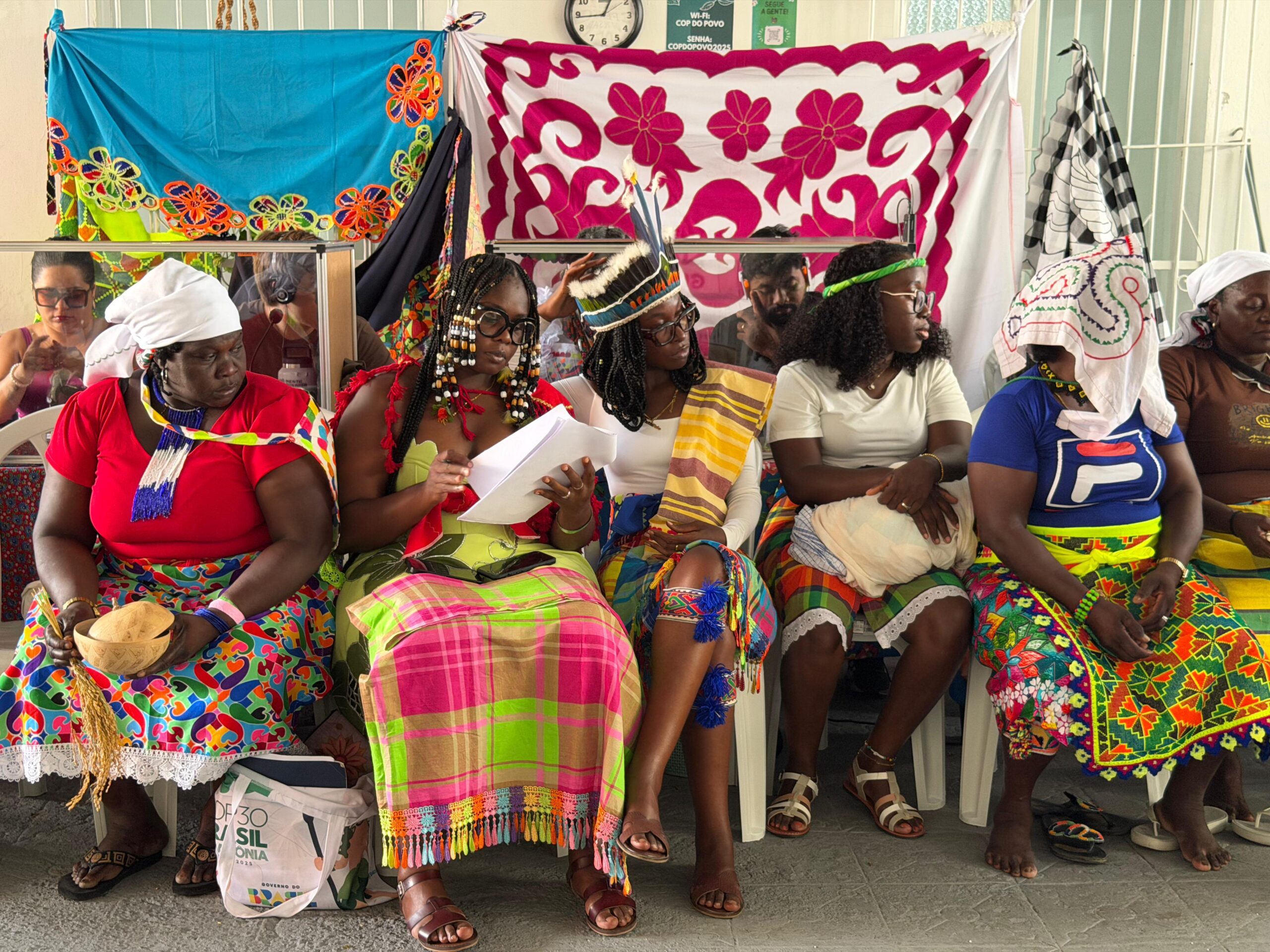
Jabini points to the rigid expectations around business attire at international conferences – standards that rarely reflect Indigenous identities or environments. Traditional Saamaka clothing, vibrant and designed for tropical living, does not fit within Western definitions of professionalism.
“Our Indigenous dress and traditional clothing do not align with Western definitions of what is considered appropriate for formal spaces. Our attire is colourful, and the fabrics we wear are very thin, which makes them well-suited to hot, tropical climates where many of our communities live.
However, when attending international conferences, we often find ourselves in heavily air-conditioned rooms where there is an expectation to wear dark-coloured, more formal Western-style clothing,” Jabini shared.
While this may seem like a superficial issue, it reflects something deeper: global climate spaces are structured around Western norms that often fail to recognise Indigenous cultural expression as legitimate or “formal” contributions to climate discourse.
A Different Model of Stewardship
The Saamaka community offers a model of environmental stewardship that stands in stark contrast to extractive, profit-driven systems.
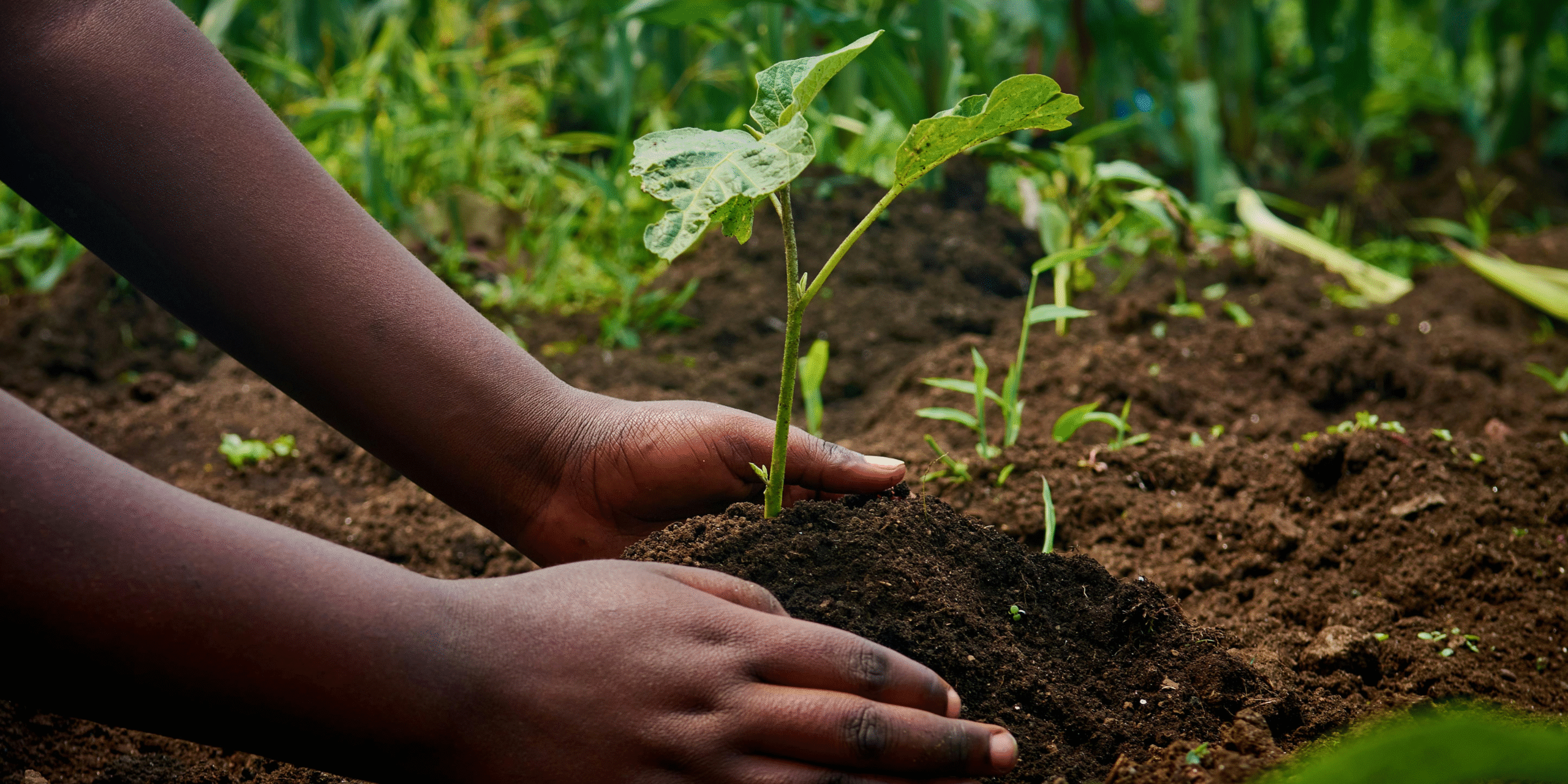
As an Afro-descendant tribal community in Suriname, the Saamaka have stewarded their forests for centuries through ancestral knowledge and a deep spiritual connection to the land. Their worldview is grounded in the belief that different areas of the forest are governed by spirit guardians, each with its own rules for maintaining balance.
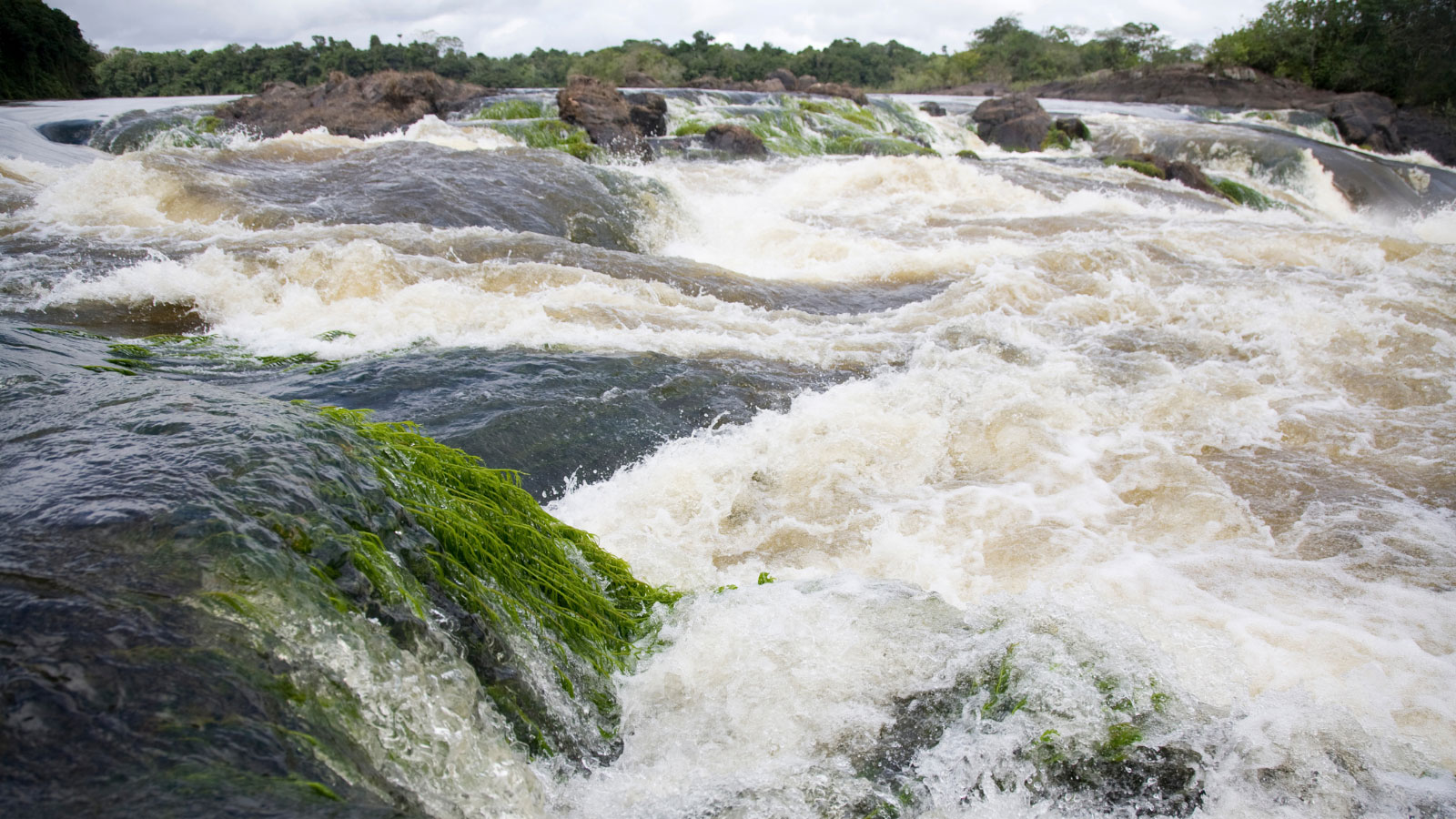
“We do not clear sections of forest that we are not going to use; when we do, it is mainly for agriculture, and we do not pollute our rivers. These practices reflect our traditional way of life, though some community members are now being influenced by governments and companies to sell out.
We believe each area of the forest has its own spirit guardians, and we live according to the rules tied to those places, maintaining harmony with the land. Our identity, spirituality, and environment are interconnected, and this is something we also shared at COP when explaining how we protect and manage the forest,” Jabini said.
In practice, this translates into a simple but effective system of care: animals are not killed unless they are needed for food, trees are not cut unless they are used, and rivers are not polluted.
This moves beyond cultural tradition. It is environmental management.
And it works.
Suriname remains one of the most forested countries in the world, often described as a “high forest, low deforestation” nation. According to Jabini, this status is not accidental—it is the result of generations of Indigenous and tribal stewardship.
Yet on the global stage, this contribution is frequently overlooked.
“When government officials present these achievements internationally, they often fail to acknowledge the people responsible,” Jabini explains.
Instead of being recognised as rights holders and key contributors, Indigenous and tribal communities are often reduced to tokens and symbolic participants – invited into spaces to demonstrate inclusion, while their knowledge and perspectives remain sidelined.
This marginalisation extends beyond conference rooms into national climate policy.
Indigenous and tribal voices are often absent from Nationally Determined Contributions (NDCs) and broader climate strategies. Even when individuals from these communities hold positions within government, Jabini notes that they are frequently constrained by political party priorities rather than representing the collective interests of their communities.
The consequences of this exclusion are significant.
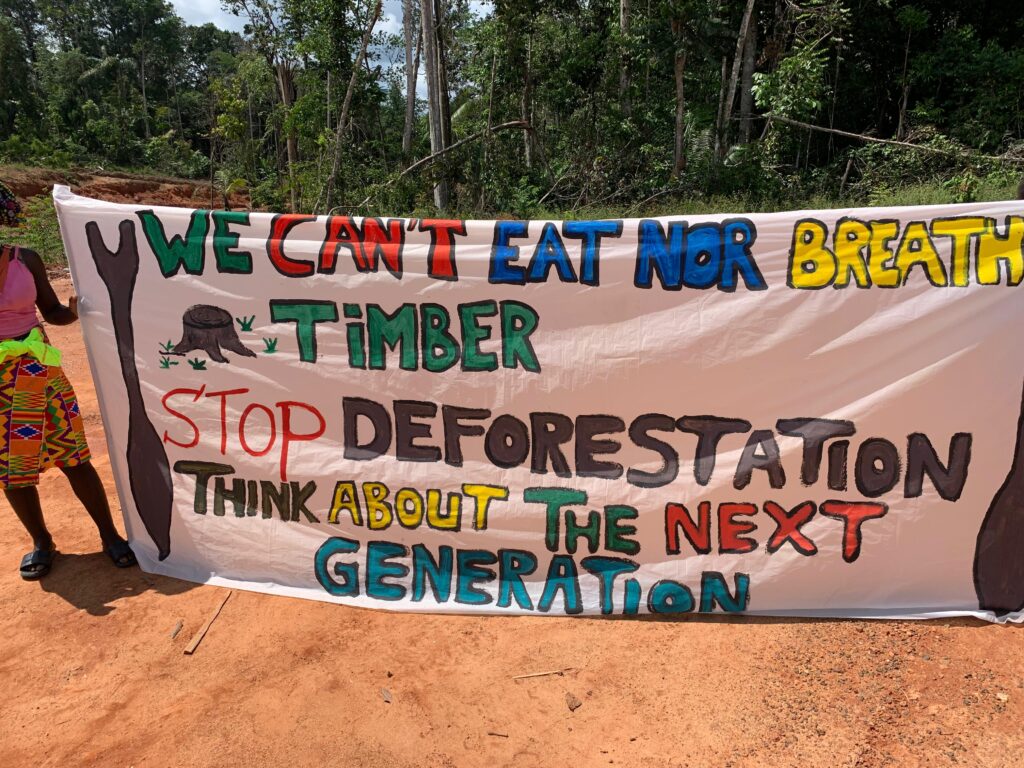
Without full constitutional recognition, Saamaka lands remain vulnerable to external exploitation. Governments continue to grant logging and mining concessions within these territories, often in direct contradiction to international legal rulings such as the 2007 decision by the Inter-American Court of Human Rights, which affirmed the land rights of Indigenous and tribal peoples.
For Jabini, this reflects a broader failure to align climate commitments with the realities on the ground.
At the core of Saamaka resilience is the transmission of knowledge across generations.
Traditional ecological knowledge is passed from elders to youth, ensuring that cultural practices and environmental stewardship continue over time. This intergenerational exchange is about preserving identity, and it is essential for sustaining the forest itself.
Jabini emphasises that both the culture and the ecosystem depend on this continuity.
However, that system is under pressure.
Economic incentives tied to logging and mining create increasing pressure on younger generations to move away from traditional practices. Without strong connections to their cultural knowledge systems, the long-standing role of Saamaka communities as “guardians of the forest” becomes more vulnerable.
Rethinking Climate Spaces
For Jabini, bridging the gap between Western policy frameworks and Indigenous realities requires more than symbolic inclusion.
International climate conferences must move beyond what she describes as a “miniature version of reality” – spaces that replicate existing power structures while excluding alternative ways of knowing.
True climate justice, she argues, requires a fundamental shift.
Traditional knowledge must no longer be treated as a curiosity or a secondary perspective. Instead, it should be recognised as a proven and effective system of environmental management – one that has sustained ecosystems for generations.
Achieving this means ensuring full recognition of Indigenous and tribal rights, providing direct access to climate finance, and creating genuine pathways for participation in decision-making processes.
Only then can global climate policy begin to reflect the knowledge of those who have lived in balance with the forest long before climate change became an international priority.