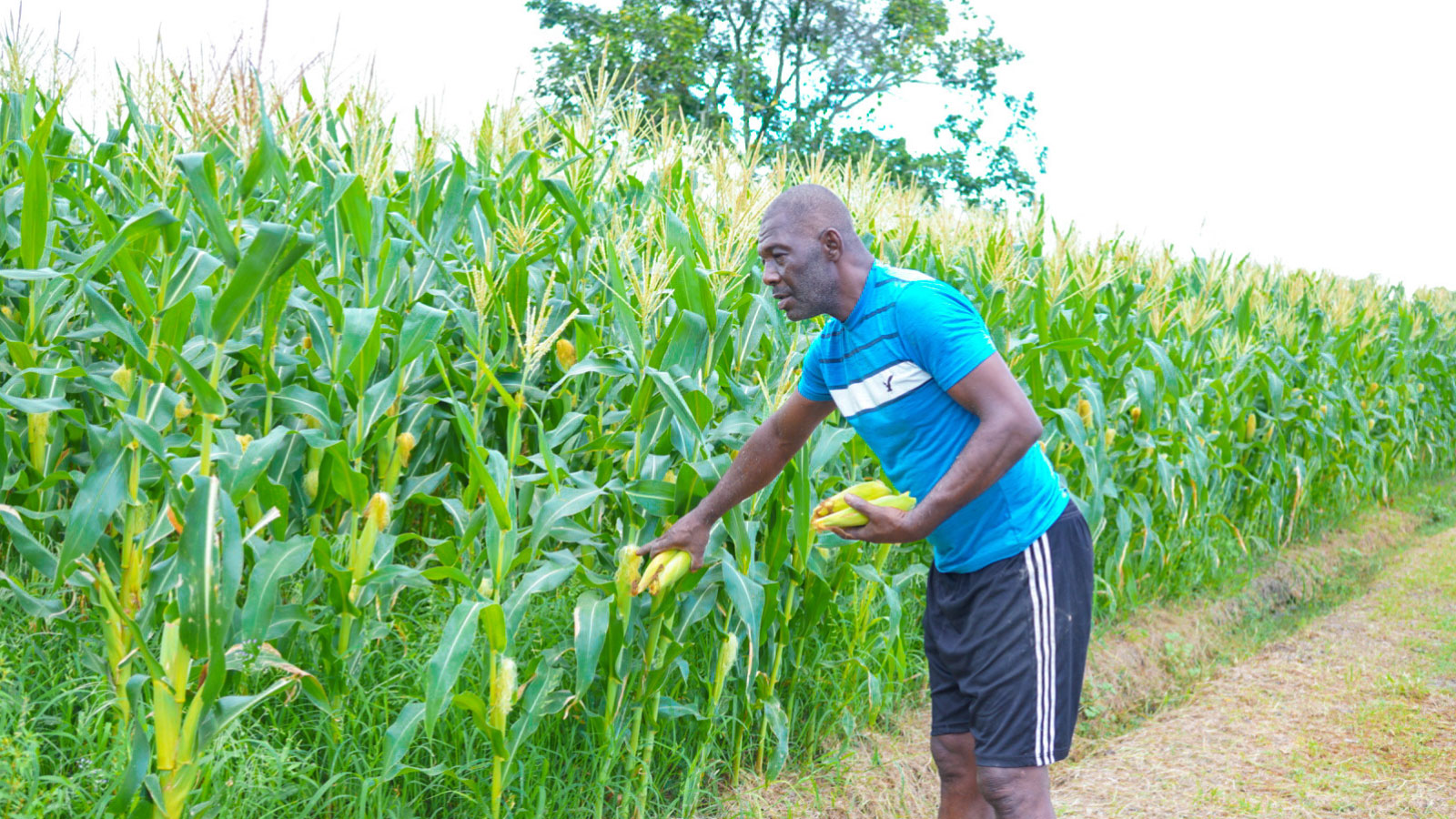
When eight-year-old Jaden saw a mango tree for the first time, his reaction surprised the adults around him.
“So the fruit doesn’t come from the supermarket?” he asked.
The question reflects a growing reality for many children in urban Trinidad and Tobago (T&T) (though, in my experience, the problem appears to be more prevalent in Trinidad than in Tobago).
Experiences that were once ordinary parts of Caribbean childhood – picking fruit from a backyard tree, exploring rivers after school, or digging hands into soil – are becoming increasingly rare as urban landscapes expand and access to green spaces shrinks.
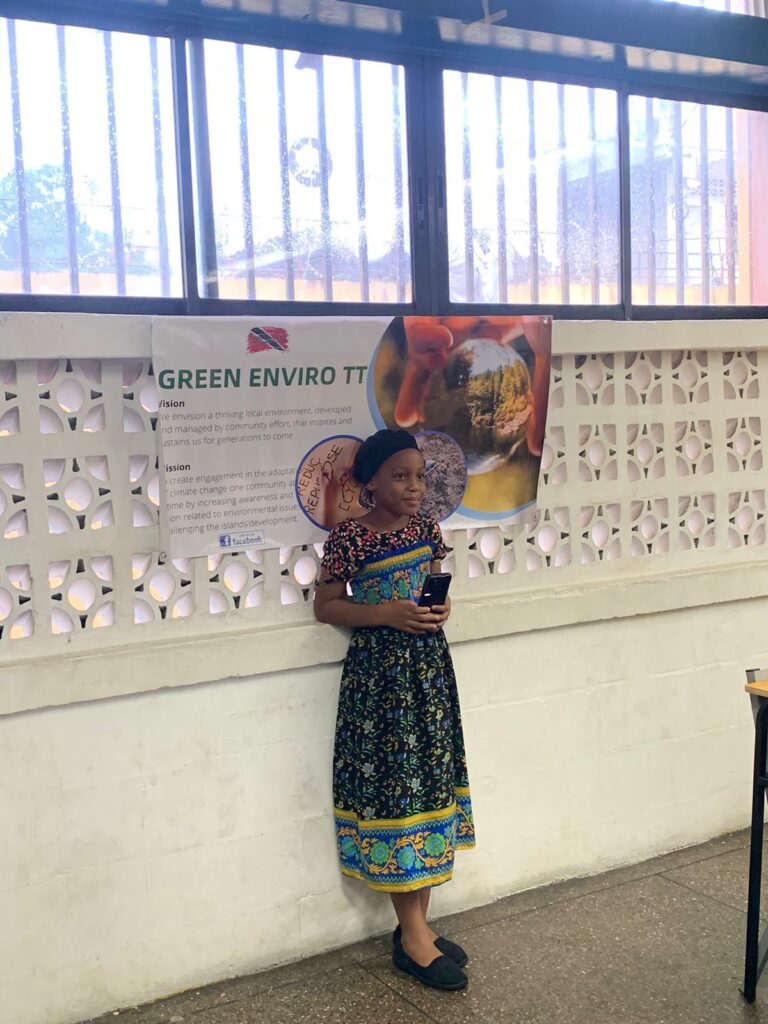
For organisations like Green Enviro TT, that quiet disconnection from nature is more than a cultural shift. It is also a climate concern.
The organisation believes that reconnecting young people with nature is essential to building environmental awareness and long-term climate resilience. Through its Environmental Club Initiative, Green Enviro TT is working to ensure that children not only learn about the environment but experience it firsthand.
Learning in Nature, Not Just About It
The vision is that across participating schools, classrooms will be transformed into living learning spaces where environmental education moves beyond textbooks.
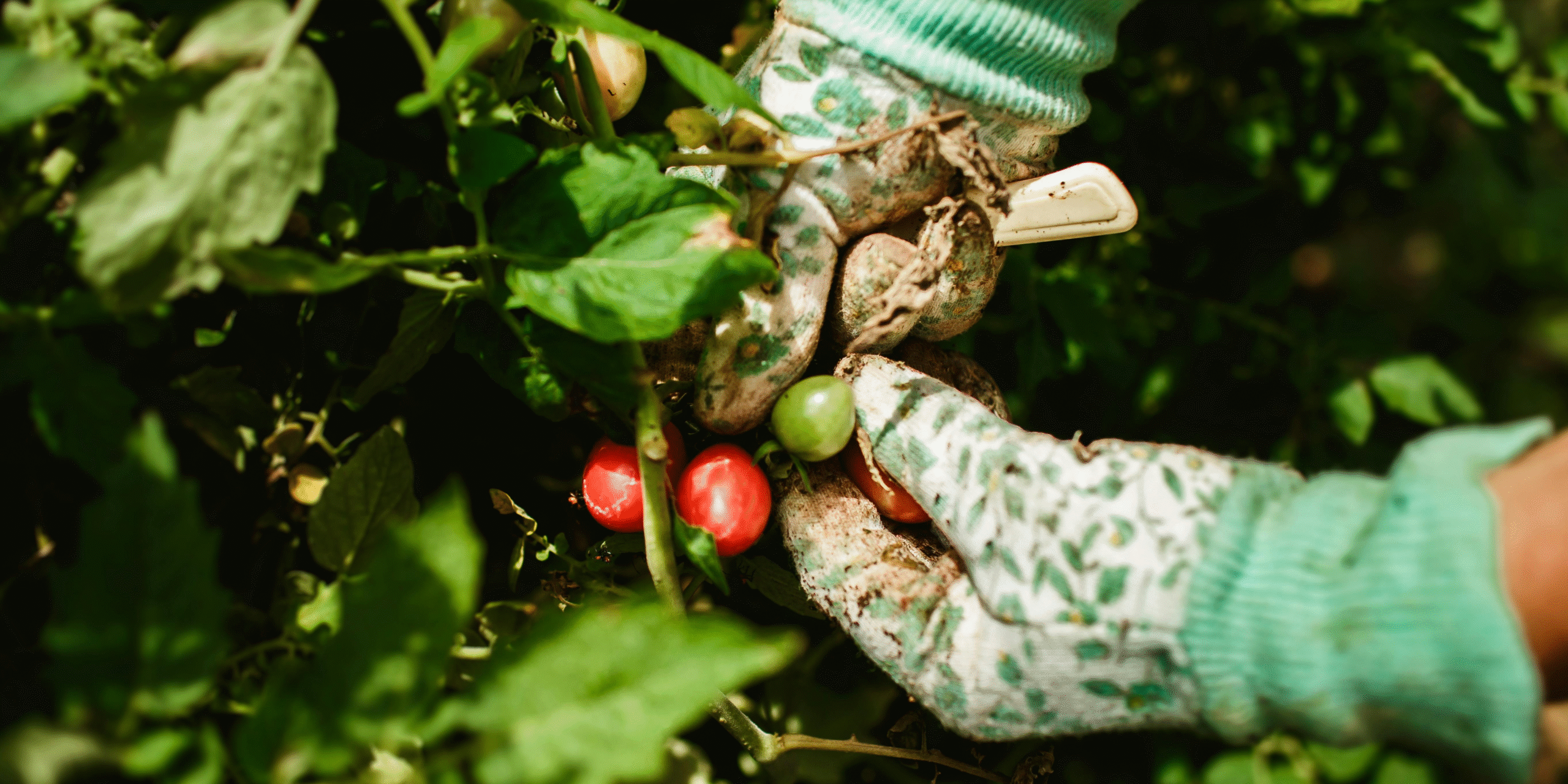
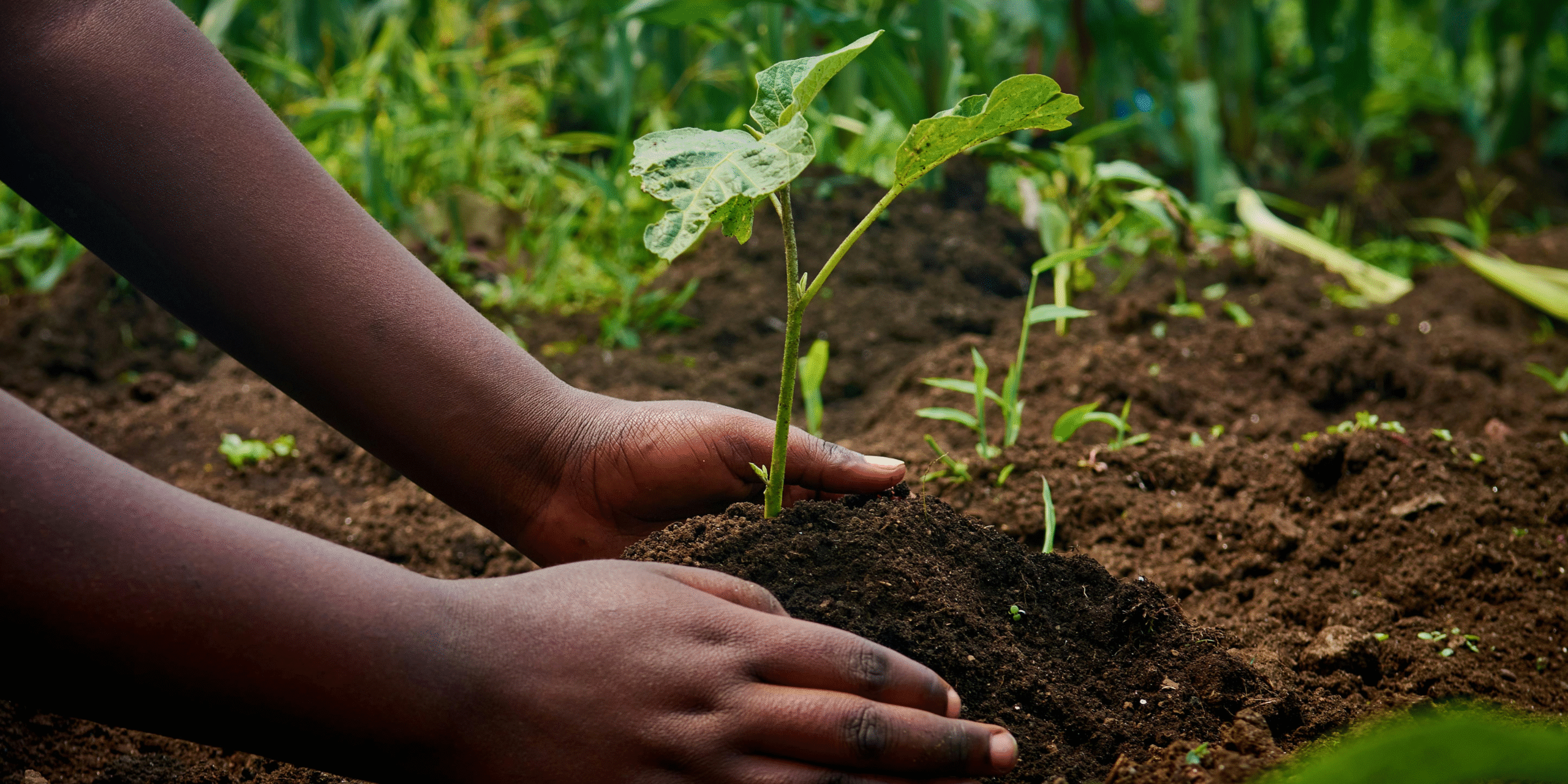
Students plant fruit trees and vegetables in school gardens, test water quality in nearby rivers, observe biodiversity, and learn about indigenous environmental practices and sustainable living. For many children growing up in urban T&T, these activities represent their first meaningful interactions with nature.
The impact of these moments often becomes clear through the children’s own words.
After taking part in a planting activity at her school, one student told programme facilitators, “Miss, I learned a lot about how to care for plants, it’s really cool”.
Another student offered a reflection that stayed with Green Enviro TT field officer Odette George: “I felt like the plant trusts me”.
George said the comment surprised her.
“I never thought plants would have this kind of effect on children,” she reflected. “I grew up surrounded by plants and nature as a child in Tobago, so hearing that made me realise how meaningful these experiences are for them”.
These small moments of discovery are exactly what the Environmental Club Initiative hopes to create: opportunities for children to develop curiosity, empathy, and responsibility toward the natural world.
Bridging the Gap Between Children and Nature
The disconnect between children and nature is often more significant than it first appears.
Many children can identify fruits like mango, pawpaw, or tamarind in a textbook, yet have never tasted them fresh from the tree or recognised the plants they come from. This disconnection from nature forms the backdrop against which many young people are growing up.
Through hands-on and interactive activities, the Environmental Club Initiative creates opportunities for children to explore their surroundings and rediscover the environments around them. These sessions are designed to move beyond observation, encouraging young participants to engage directly with their natural environment and, in doing so, begin reconnecting with the land.
This transformation is particularly significant in communities across urban T&T, where limited access to green spaces can make meaningful environmental experiences difficult to access.
Rediscovering What Has Been Lost
For many students, outdoor learning reveals something unexpected: how much of the natural world they have never experienced.
“What surprises the children most is realising how much they have been missing,” said youth facilitator Nitya Dhanraj.
“What some people in T&T and the Caribbean take for granted – being able to go into their backyard and pick a fruit – children in urban settings often don’t get that opportunity”.
According to Dhanraj, the shift reflects a broader generational change.
“A generation is emerging without the deep emotional connection to nature that once shaped Trinidadian identity and community life,” she said.
Yet that connection is also essential for the future.
“It is the same connection that is necessary for climate advocacy and action in the years ahead”.
Youth Leading Youth
Another distinctive feature of the Environmental Club Initiative is its emphasis on peer leadership.
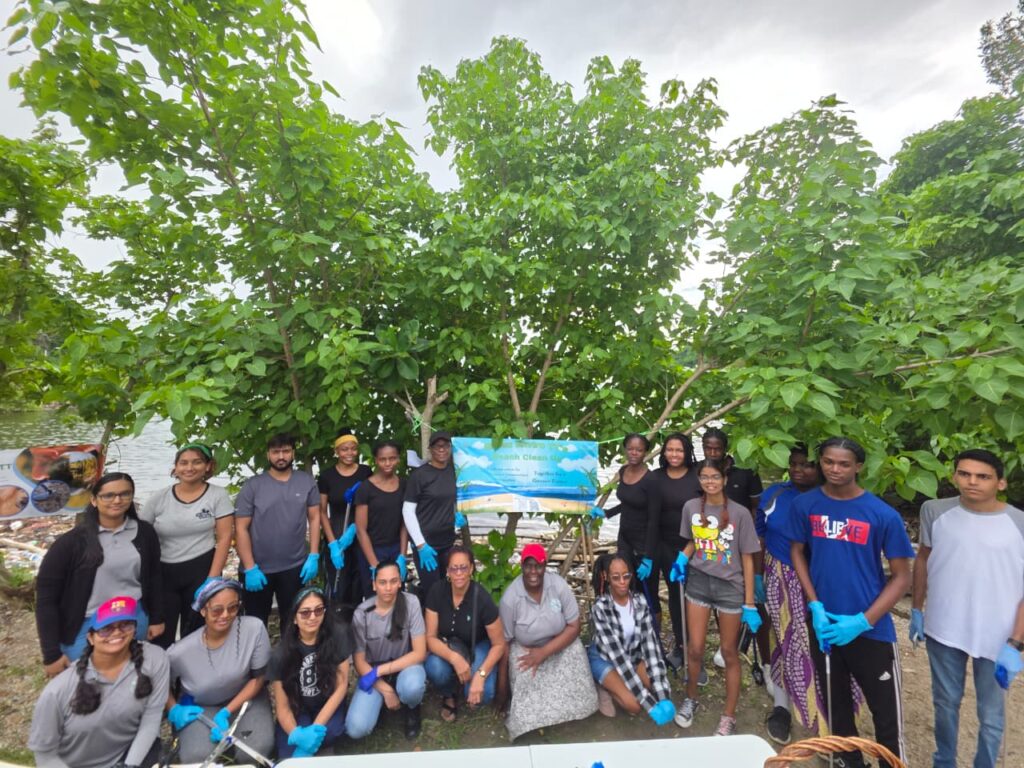
Rather than relying solely on teachers or adult facilitators, the programme trains university students and secondary school students to mentor younger participants.
According to Eden Blanche, Green Enviro TT’s Marketing and Social Media Lead, this peer-to-peer model creates a more engaging learning environment.
“Our volunteers from the University of the West Indies and local secondary schools don’t just teach, they inspire,” Blanche explained. “By learning from people closer to their own age, participants feel more connected and empowered”.
The benefits extend beyond environmental education.
“This approach builds far more than knowledge,” Blanche said. “It nurtures confidence, leadership, emotional intelligence, and a strong sense of agency among our youth volunteers, while breaking down the traditional generational barriers between teacher and learner”.
For Green Enviro TT, this structure reinforces an important message for young people: climate action is possible, personal, and something they can begin engaging with now.
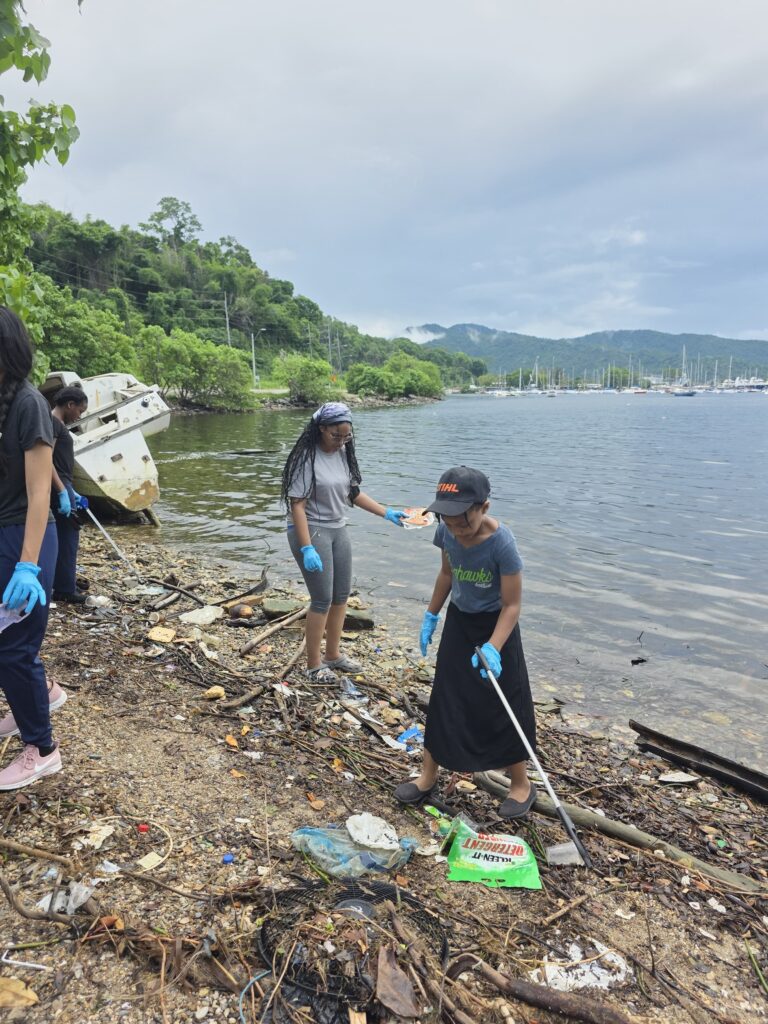
The programme has also created opportunities for youth to connect with global climate conversations. One of the initiative’s volunteers, 11-year-old Moriah, is currently participating in an 18-month international Youth Climate Justice Project coordinated by University College Cork in Ireland in partnership with the European Union.
Blanche said experiences like these demonstrate how local environmental education can connect to broader climate movements.
“She brings that global knowledge back home, applying it locally and learning alongside her peers through our Environmental Clubs Initiative,” Blanche said.
Rewilding Childhood in Urban Trinidad and Tobago
As cities continue to expand, programmes like the Environmental Club Initiative raise an important question: what does it mean to raise children in urban environments while maintaining a meaningful connection to nature?
Green Enviro TT believes the answer lies in reimagining environmental education.
Through school gardens, river field trips, biodiversity observation and youth-led learning, the initiative aims to rebuild relationships between children and the ecosystems that surround them.
In doing so, the organisation hopes to cultivate a generation of young people who understand the environment not as an abstract concept, but as something they interact with, care for, and ultimately help protect.
In that sense, the Environmental Club Initiative is more than an after-school programme; it is part of a broader effort to rewild childhood in urban T&T – ensuring that the next generation grows up not only learning about the natural world, but feeling connected to it.
And sometimes, that journey begins with a simple discovery.
Like realising that a mango does not come from a supermarket, but from a tree.