Stakeholders Discuss Moving Ocean Conservation Goals from Paper to Action at 11th Our Ocean Conference
Tyrell Gittens is a geographer, environmentalist and journalist from Trinidad and Tobago. From June 16 to 18, 2026, he represented the GYBN Caribbean Chapter at the 11th Our Ocean Conference in Mombasa, Kenya, with the support of the Caribbean Biodiversity Fund. Tyrell wrote this article based on activities at the conference.
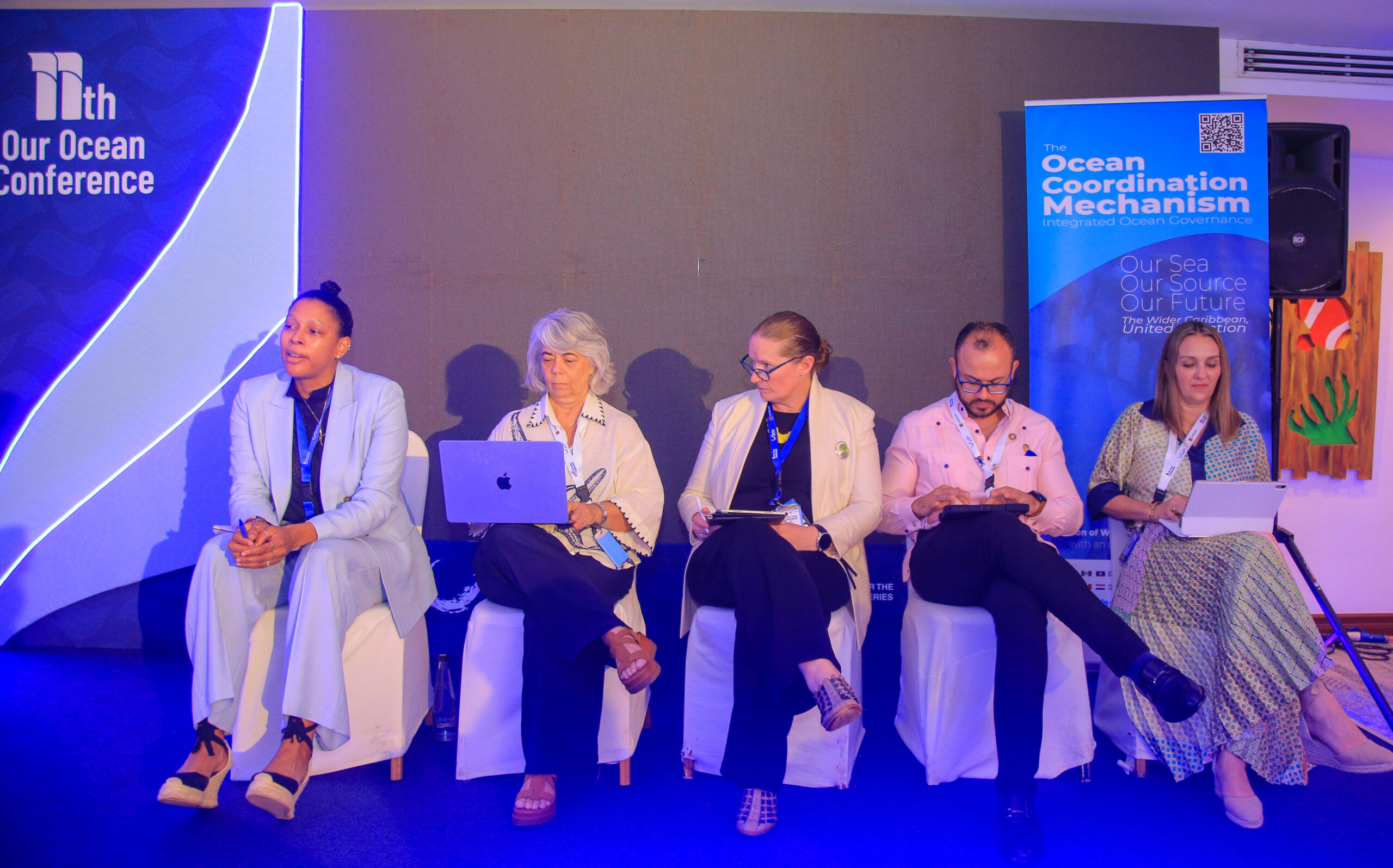
As marine conservationists, policymakers and civil society organisations convened in Mombasa, Kenya, from June 16 to June 18, 2026, for the 11th Our Ocean Conference, one of the conference’s side events focused on the role of communities in ensuring the long-term success and sustainability of marine protected areas around the world.
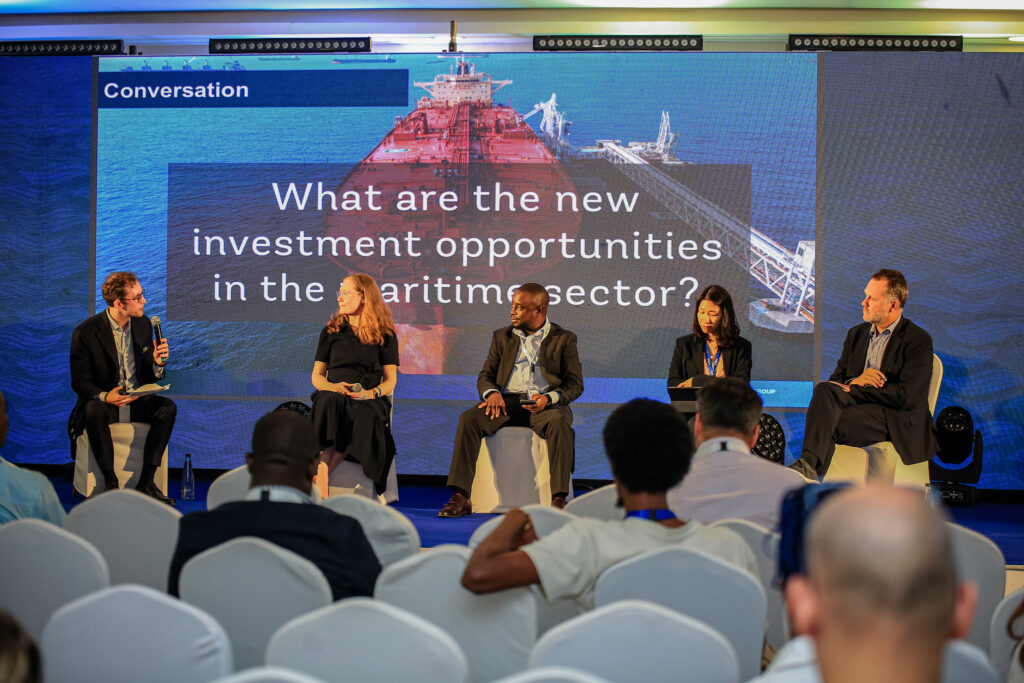
On June 16, the Blue Nature Alliance and Bloomberg Philanthropies collaborated with several partner organisations to host a panel discussion titled “From Understanding to Application: Capacity Development for Effective Implementation of Marine 30×30″.
During the discussion, panellist Dr Puri Canals, Coordinator of the Global Network of Marine Protected Areas Managers Network, called for more transformative action with tangible results as she lamented the need for “no more paper parks” as countries expand existing Marine Protected Areas (MPAs) and create new ones.
Dr Canals explained, “You can’t just create more protected areas by putting lines on a map; you have to invest in the resources needed and train people to manage these areas.”
As countries scale up action to fulfil their commitments under the Kunming-Montreal Global Biodiversity Framework (KMGBF), especially the 30×30 target that calls on countries to protect 30 per cent of their biodiversity by 2030, Dr Canals said expanding marine protected areas without participation of local communities and adequate support of those communities will be counterproductive.
Dr Joao Bento Zampula, District Administrator of Mozambique’s Mogincual Nampula Province, embraced the sentiment of Dr Canals while sharing his perspective on the panel.
Dr Zampula said, “Fisherfolk embrace their role as part of the system and understand that it’s not just government action that is needed to protect their fisheries.”
However, from his firsthand experiences working with communities in Mozambique, Dr Zampula said these communities require substantial capacity building for them to effectively participate in conservation activities.
To ensure that communities are adequately engaged and supported, Coordinator of Marine Protected Areas at the Western Indian Ocean Marine Science Association (WIOMSA), Deidra de Voss, said it is important that conservation projects “move beyond tokenistic participation of communities and really invest in them to become the leaders of conservation areas”.
Voss explained, “I think it’s important to move beyond this idea of general stakeholder engagement and build structures where not just the engagement but the outcomes can actually be tracked.”
“Because what do we mean by stakeholder engagement? What do we mean by community participation? Is it being recorded? Is it being monitored? Do we know that they’re actually part of decision-making? So looking at these kinds of informal structures and how we can formalise that, I think, is essential.”
In closing remarks at the event, Executive Director of the Blue Nature Alliance, Laure S. Katz, said it is important that countries and stakeholders committed to achieving their KMGBF targets understand that the success of marine protected areas should not only be measured by how many hectares are protected.
In her opinion, she believes that the world is not just facing an ambition gap in ocean conservation, but there’s an equally troubling implementation gap.
Katz said, “Over the last decade, the area of ocean protection has grown significantly, and this is a triumph that we should all be really proud of.
“Yet, as every one of our panellists highlighted, success is not measured by hectares alone but by whether these areas are effectively managed, equitably governed, and delivering real outcomes.
“Right now, we’re one third of the way towards the 30 by 30 target, but the vast majority of marine protected areas still lack the capacity to effectively deliver outcomes, and at the heart of this gap is something simple but often overlooked; protected areas don’t manage themselves; people do.”
If there’s one message Katz wants people to take back with them from the Our Ocean Conference as they continue their work in their various fields, it is that protecting the ocean starts with investing in the people who protect it.
From rangers and indigenous guardians to fisherfolk and community stewards, those at the front line of conservation need long-term sustainable investments to be effective.
Katz added, “For the last three years, the Blue Nature Alliance, which I have the privilege of leading, has been spearheading a global MPA capacity development Community of Practice.
“It’s made up of dozens of trusted capacity strategists who are working collaboratively to strengthen capacity for effective and equitable marine area management through systems thinking and coordinated action.
“Together, they are designing a global Blue Workforce Initiative to strengthen the human systems behind marine conservation. If they’re successful, which we certainly hope, this initiative will aim to reach at least 10,000 MPA professionals across multiple regions and countries and invest in national leadership cohorts and their organisations as well as strengthen career pathways, governance systems and institutional capacity.”
She said efforts like these are needed to begin a shift from isolated conservation efforts to a connected global movement for effective marine protection.
Later, on June 16, the UN Food and Agriculture Organization (UN FAO)-led Common Oceans Tuna Project also held an event at the conference titled “Accelerating Electronic Monitoring to Improve Fisheries Data, Compliance and Combat IUU Fishing”.
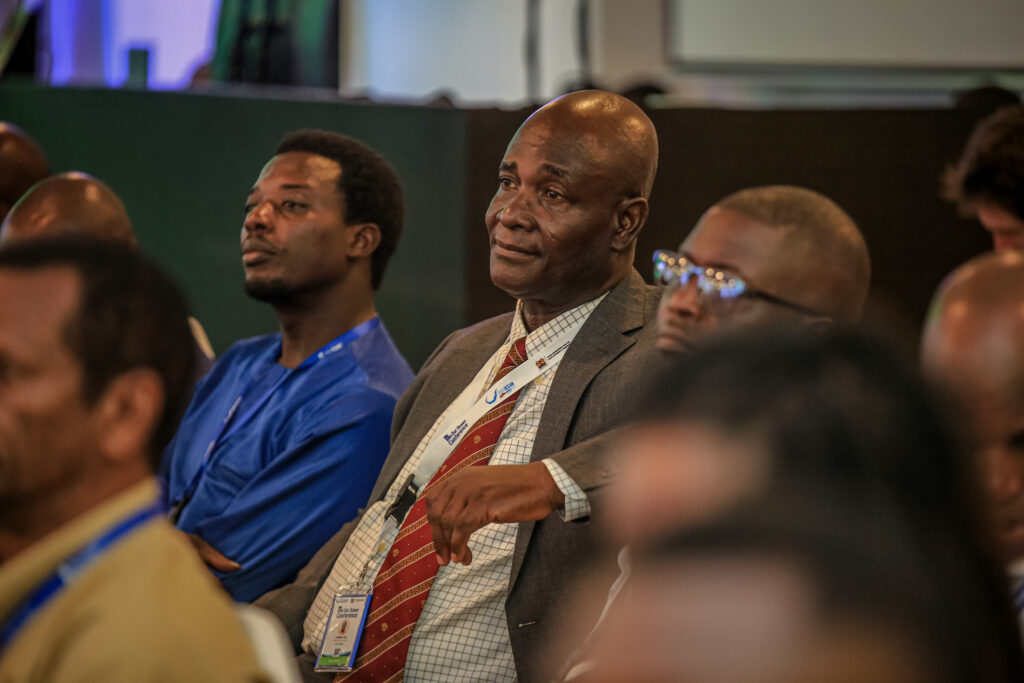
This event also focused on moving conservation goals from paper to action by tackling illegal, unreported and unregulated (IUU) fishing using electronic monitoring systems.
The Government of Kenya’s acting director of the Fisheries Department, Daisy Muriuki, said addressing the issue of IUU fishing was a priority for the Kenyan government.
She explained, “This conversation is not merely about technology. It is about protecting livelihoods, strengthening food security, safeguarding marine biodiversity, and ensuring that future generations continue to benefit from our ocean resources.
The Indian Ocean tuna fishery is the second most productive tuna fishery in the world, contributing approximately 20% of global tuna production.
“For Kenya and many countries in the West Indian Ocean region, these resources represent significant economic opportunities and are central to our blue economy aspirations.”
Apart from the financial disruptions of IUU, Muriuki also noted that IUU fishing also continues to undermine conservation efforts.
Given this, Muriuki shared that the Kenyan government is investing in an electronic monitoring system not just to combat IUU fishing but also to assist with its conservation efforts.
She explained, “At the same time, fisheries managers are increasingly expected to make evidence-based decisions, yet reliable and comprehensive fisheries data remains a challenge. This is where electronic monitoring becomes a game-changer.
“Kenya embarked on an electronic monitoring technology pilot programme between 2021 and 2025, involving four industrial tuna fishing vessels operating in our waters, and the results so far have been very encouraging.
“The pilot demonstrated that electronic monitoring can provide more complete and reliable information than traditional paper logbooks and significantly complement human observer programmes.”
Muriuk shared that the pilot use of electronic monitoring technology enabled better documentation of catch composition, by-catch, interactions with endangered, threatened, and protected species, and overall fishing operations.
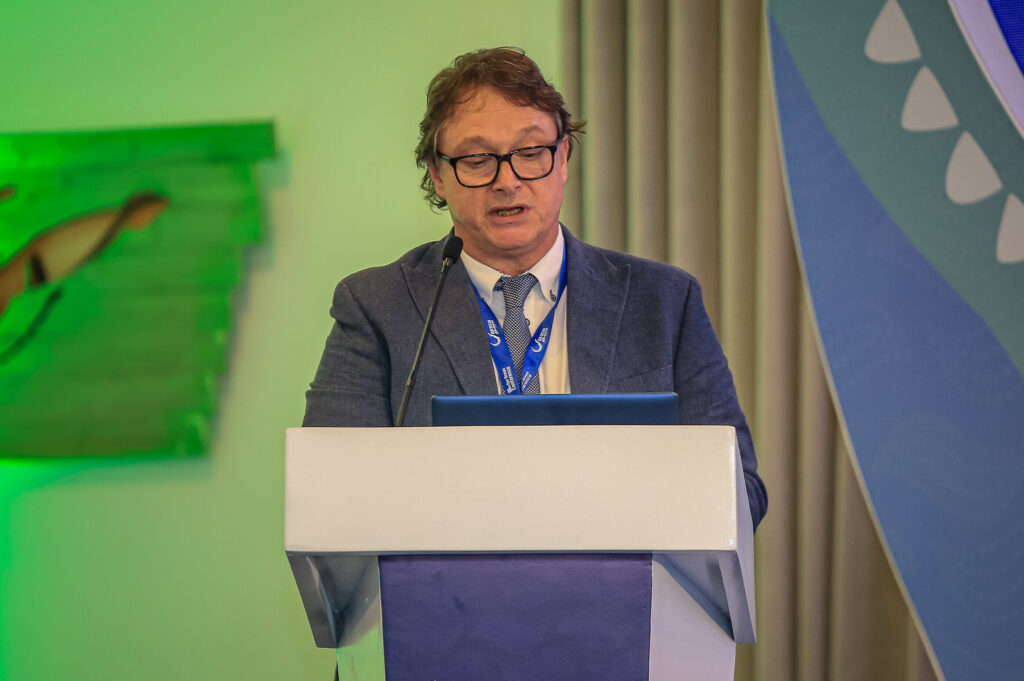
Importantly, the system allowed fisheries managers and scientists from both the Kenya Fisheries Service and the Kenya Marine Research Institute to remotely review fishing activities and vessel operations from the Monitoring, Control, and Surveillance Centre in Mombasa, enhancing transparency and oversight.
She announced Kenya is now moving beyond the pilot phase and is committed to achieving 100 per cent monitoring coverage of all industrial fishing vessels operating within Kenya’s waters through a combination of electronic monitoring systems and on-board observers by the year 2030.
She added, “This is an ambitious commitment, but it is a necessary one. To achieve this objective, we are undertaking several key actions, among which is developing national electronic monitoring standards that will define data requirements, technical specifications, reporting protocols, and stakeholder responsibilities.
“Second, we will be reviewing institutional and legal frameworks to ensure that electronic monitoring data can effectively support compliance, enforcement, and fisheries management decisions.”
“We will also be developing sustainable financing mechanisms to support long-term implementation and maintenance of the programme and investing in capacity building to ensure that fisheries officers, scientists, compliance personnel, and other stakeholders possess the skills required to effectively manage and utilise electronic monitoring data.”
Recognising that technology alone is not the solution, Muriuk shared that Kenya will continue to work closely with regional and international partners, including the Indian Ocean Tuna Commission and other relevant organisations, to advance harmonised electronic monitoring standards, strengthen information sharing, and support collective action against IUU fishing.