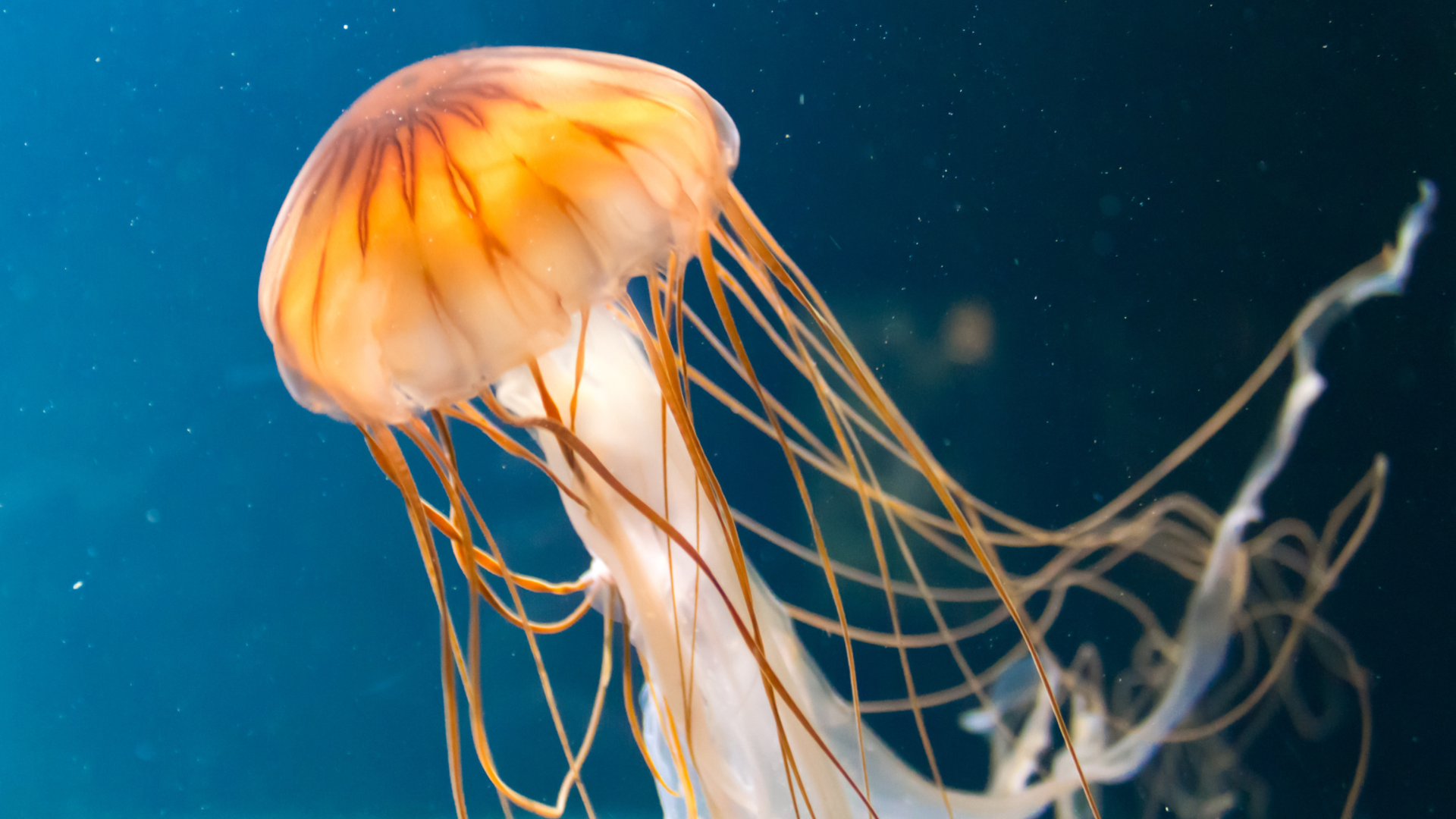
The Caribbean’s oceans are deeply connected to the lives of citizens in the region. That connection is both historic and contemporary. Nobel Laureate Derek Walcott famously wrote “the sea is history” when speaking of these islands. And now, from food, fisheries, tourism, and transport, the oceans play a crucial role in the lives of Caribbean people. But few ever think about what lies thousands of metres below the ocean, and even fewer truly understand what exists on the Caribbean’s seabed.
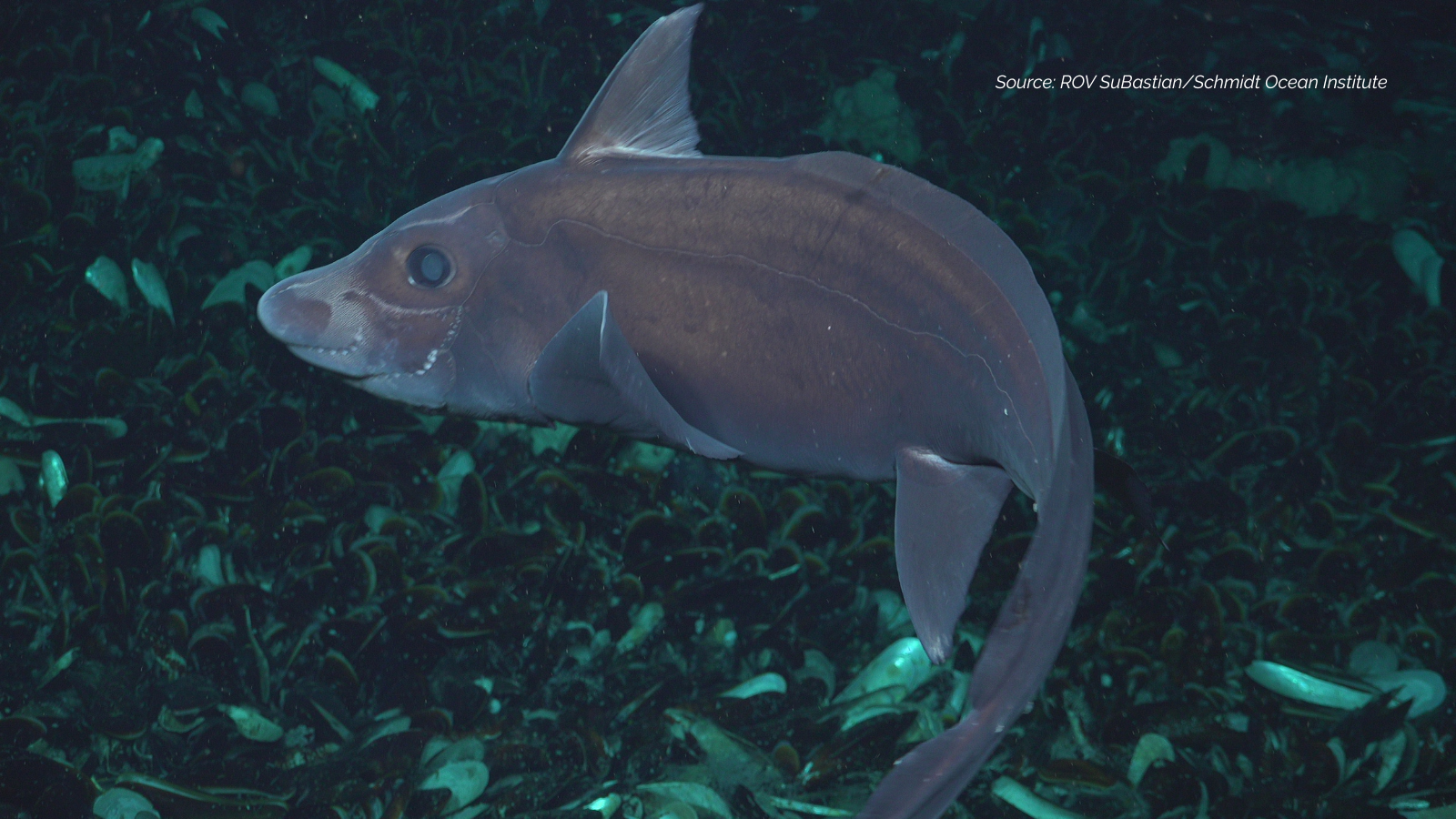
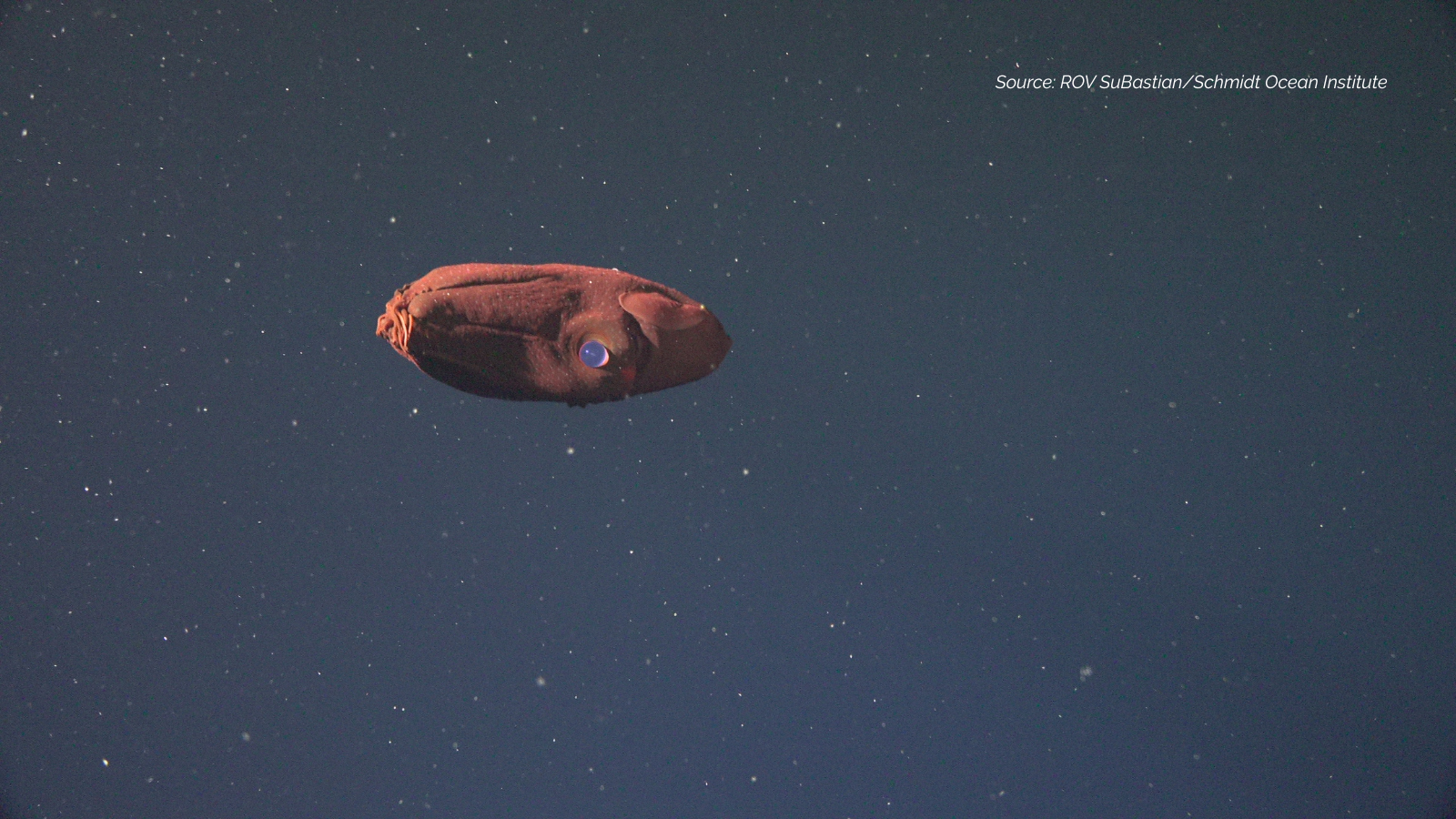
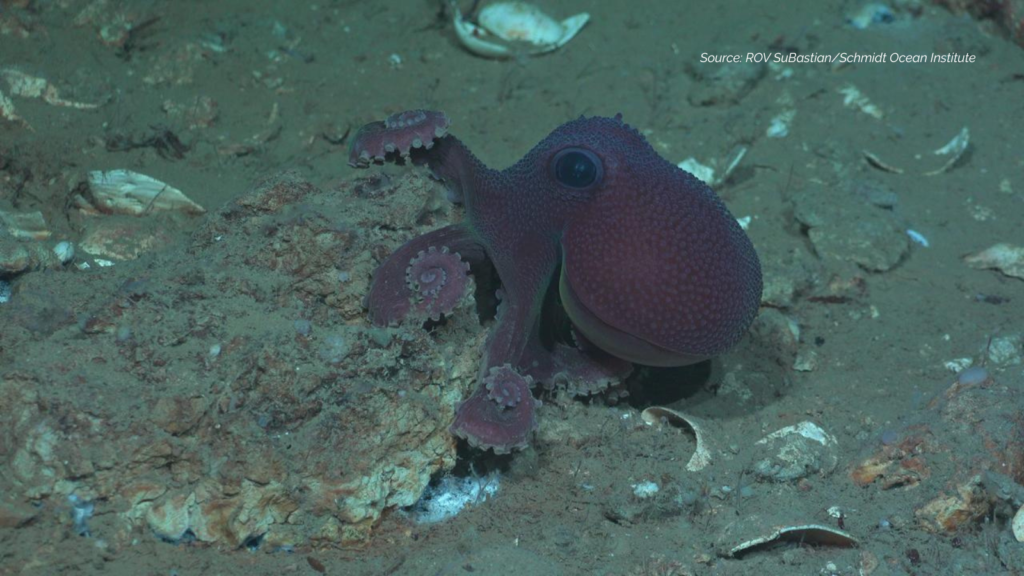
In July, the recently concluded deep-sea expedition led by T&T marine biologist Dr Diva Amon saw scientists descend into waters reaching thousands of metres deep, giving Trinidad and Tobago an unprecedented look at ecosystems that had rarely, if ever, been seen. What was once considered a dark, largely unexplored basement of the ocean around Trinidad and Tobago transmitted images of rich biodiversity such as an unknown deep-sea octopus clad in purple and several other interesting species.
At the same time, just over 1,000 miles away in Kingston, Jamaica, at the 31st Council meeting at the International Seabed Authority (ISA), governments were debating a very different future for the deep ocean: whether and under what conditions its mineral resources could one day be mined. With major issues still unresolved, including environmental safeguards, liability, compliance, scientific uncertainty and benefit-sharing, the Council was once again unable to agree on a final deadline for completing the deep-sea mining regulations.
There was, however, maintained pressure for the rules to be completed “timely.” The decision meant there is no fixed political deadline that could force countries to approve incomplete regulations. However, the council did not introduce additional safeguards or preconditions that would have to be met before exploitation contracts could be considered. Trinidad and Tobago, as a council member state, pressed for stronger legal requirements governing inspectors, including confidentiality, impartiality and restrictions on financial interests in mining operations.
It also sought clearer obligations for contractors to supervise subcontractors and remain responsible for goods and services they procure. This country also helped lead discussions on preventing monopolisation in activities in the international seabed area. With countries like T&T and Jamaica on the council, it is important to spotlight that Caribbean states are not simply observers of the deep-sea mining debate. As ISA members, they are helping shape the rules that could determine whether one day the industry is greenlit and how it proceeds.
Physically, deep-sea mining remains virtually a distant issue for T&T and much of the Caribbean despite the ISA being headquartered in this region. Presently, the industry is focused on mining in the high seas, in an area known as the Clarion-Clipperton Zone, which is in the Pacific. So that leaves the question: why should the Caribbean care about an industry that may never operate in its waters? Perhaps first and crucially, these rules and regulations will help determine whether and how deep-sea mining proceeds, making it critical that Caribbean priorities, concerns, safeguards and benefits are reflected in the decisions shaping the industry.
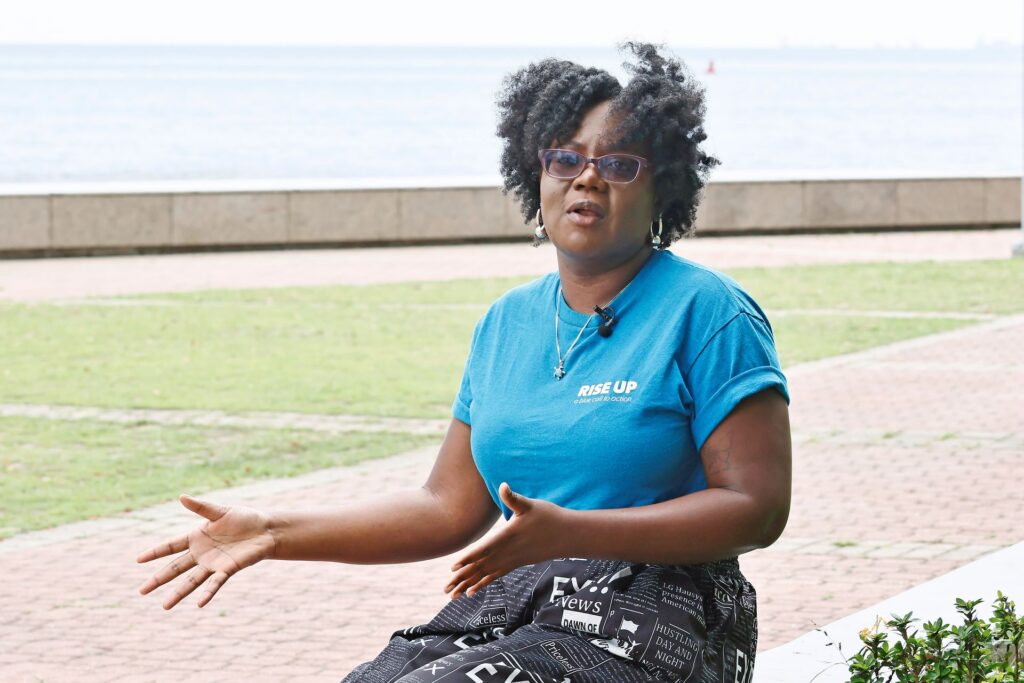
Khadija Stewart, Senior campaigner at Rise Up for the Ocean, said even though the Caribbean may not be targeted for deep-sea mining as yet, this region should still be concerned.
She stated, “There have been no polymetallic nodules found in the Caribbean, so deep-sea mining is not currently targeted to take place here. However, there are hydrothermal vent systems along the Mid-Atlantic Ridge in the Atlantic Ocean that can be associated with mineral-rich sulphide deposits containing metals such as copper, zinc, gold and silver. As we know from history, once you start an industry, it will only create a domino effect with potential devasting environmental impacts. It becomes a race to mine, and more countries and companies are going to want a piece of the pie.”
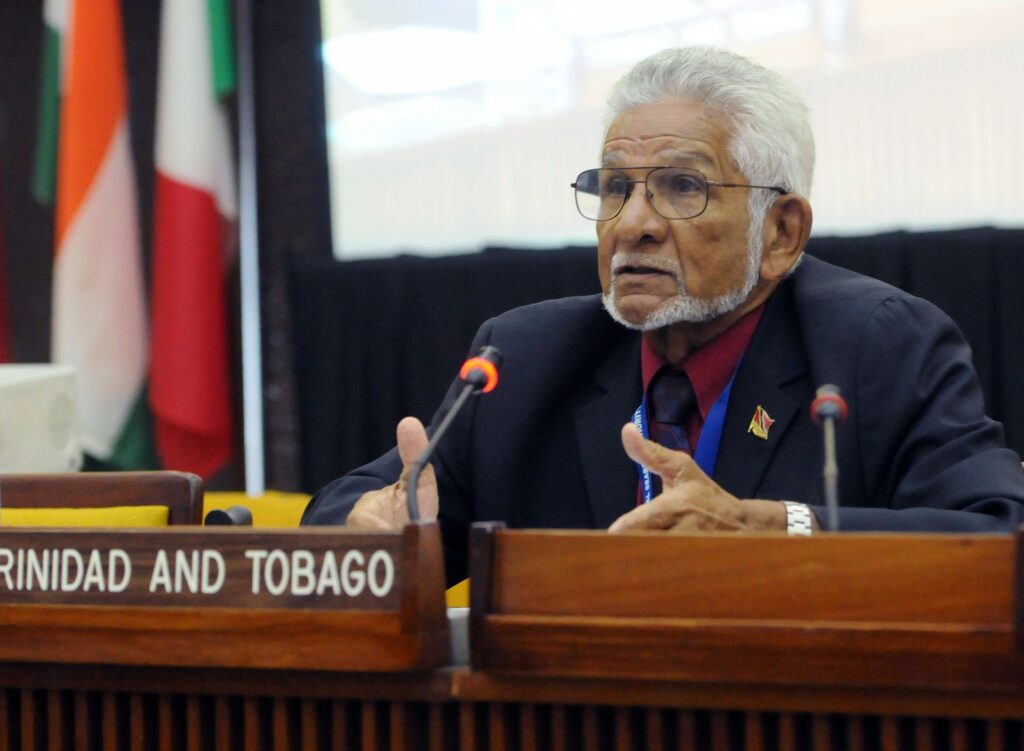
That was a warning emphasised by T&T’s former permanent representative to the ISA, Deryck Murray. He told the Sunday Guardian, “Once mining starts, it’s going to be free for all. The economic and material value takes over, and you can’t turn that back. Even when you look at quarrying on land and for the landlocked countries and how they have to preserve their resources. You’re looking around now to all the countries where we are hearing that different species of tigers and sharks are becoming extinct. How do you turn that back if you actually open the doors and say, let’s go and start digging up the seabed? How do you stop it if you think in 10 years this isn’t the right thing to do?”
It is important to ask is this a case where history is going to repeat itself like the fossil fuel industry? To get a deeper insight on the government of T&T’s thinking on deep-sea mining legislation, I sat down with Minister of Planning, Economic Affairs, and Development, Dr Kennedy Swaratsingh.

He insisted that any form of legislation must be guided by data.
He said, “We have to look to see what the data really tells us, because there’s a presumption that certain types of industries will have a deleterious effect. And in some ways, we can look at it and say, where can we find that approach where we can all coexist in such a way where we allow development to take place? I really think that far too often we think that we need to negate one so that the other can thrive, or we need to reduce one so that the other can… And I think the approach that we have always advocated in terms of this administration is balancing.”
However, Murray, who also served as this country’s High Commissioner to Jamaica, said that while he understands that some countries are seeking development options, there needs to be clear regulations on how deep-sea mining will proceed.
He stated, “Personally, I would subscribe to the prevailing ideology that there should be no mining until there is a comprehensive set of agreed regulations, rules, procedures, whatever you want to determine.”
However, getting all the Caribbean countries on the same page may be the biggest challenge in this regard.
When asked whether Caribbean leaders can find common ground on this issue, Stewart said, “I think the region is still quite divided because every Caribbean country is approaching deep-sea mining from its own national priorities. Some are calling for a moratorium, others support a precautionary pause or a precautionary approach, while others are focused on completing the regulations because they believe the industry is coming and the region needs to be prepared. That range of positions makes it harder for the Caribbean to engage collectively and speak with a stronger regional voice on how we protect an ocean that does not recognise national borders.”
The Caribbean’s ocean future hangs in balance. Between dazzling discoveries and looming industrial ambitions, what was largely out of sight is becoming increasingly harder to ignore. Whether nations choose precaution or exploitation, the decisions made today will echo for generations. For Stewart, it comes down to the legacy the Caribbean chooses to leave: “How are we willing to seal the region’s fate: as a place where deep-sea mining was approved to benefit a select few, or as a region that protected the deep ocean and all the ecosystem services it provides?” Protecting history, biodiversity, and livelihoods may prove the region’s greatest test beneath the waves.
—
Originally published by the Trinidad and Tobago Guardian, this story was produced as part of the Caribbean Deep Sea Mining Media Fellowship, an initiative by Climate Tracker Caribbean in collaboration with the Jamaica Environment Trust (JET), RISE UP for the Ocean, and EcoVybz Environmental Creatives.